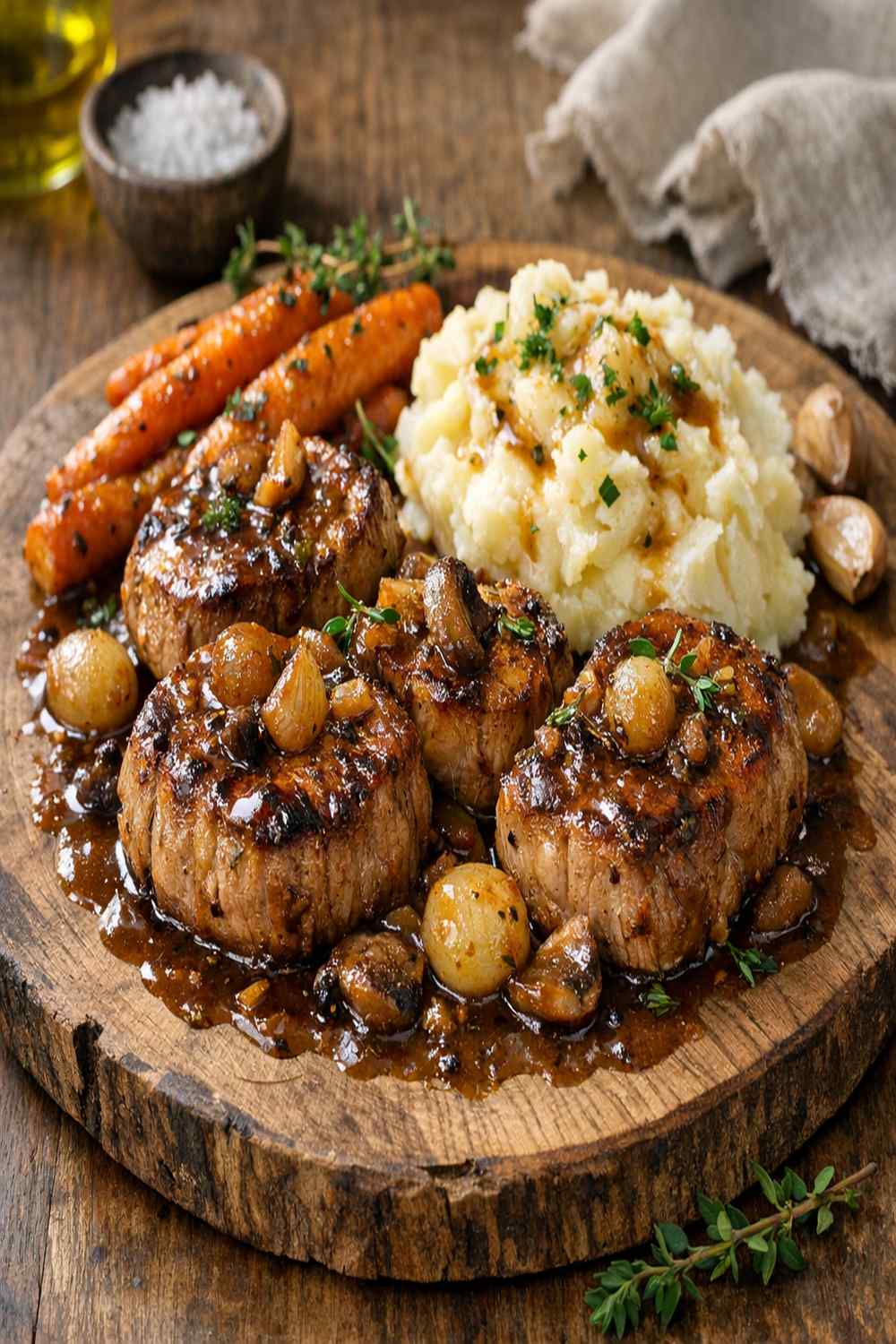
Braised Pork Medallion Recipe
This post contains affiliate links. As an Amazon Associate I earn from qualifying purchases.
Ready to impress your family with restaurant-quality dinner in just 30 minutes? This braised pork medallion recipe is my go-to when I need elegant, tender meat without the stress. I grew up watching my mom transform simple cuts of pork into showstopping centerpieces at our family table—not through complicated techniques, but through the magic of a hot pan and a silky cream sauce that brings everyone together. Today, I’m sharing that same approach with you, using pantry staples you probably already have. Whether you’re feeding a crowd or cooking for two, this one-pan wonder delivers restaurant-quality results on a weeknight budget. Check out my Osso Buco recipe for another stunning braised meat option that uses similar techniques.
Easy Braised Pork Medallion Recipe in 30 Minutes (One Pan, Elegant Every Time)
This is the only pork medallion recipe you’ll ever need. It’s foolproof, forgiving, and delivers that restaurant-quality sear with a luxurious sauce that’ll have everyone asking for seconds. I’ve made this hundreds of times—from my college apartment to my nutrition practice today—and it never fails to feel special.
Why You’ll Love This Recipe
- Ready in under 30 minutes – from raw pork to plated dinner in roughly the time it takes to watch a TV episode
- One pan, minimal cleanup – everything happens in a single skillet, which means fewer dishes and more time enjoying your meal
- Tender, restaurant-quality pork – the brief braising creates meat so tender it melts on your tongue, with a silky cream sauce that coats every bite
- Endlessly adaptable – swap proteins, change your seasonings, or pair with any side vegetable you have on hand
What You Need
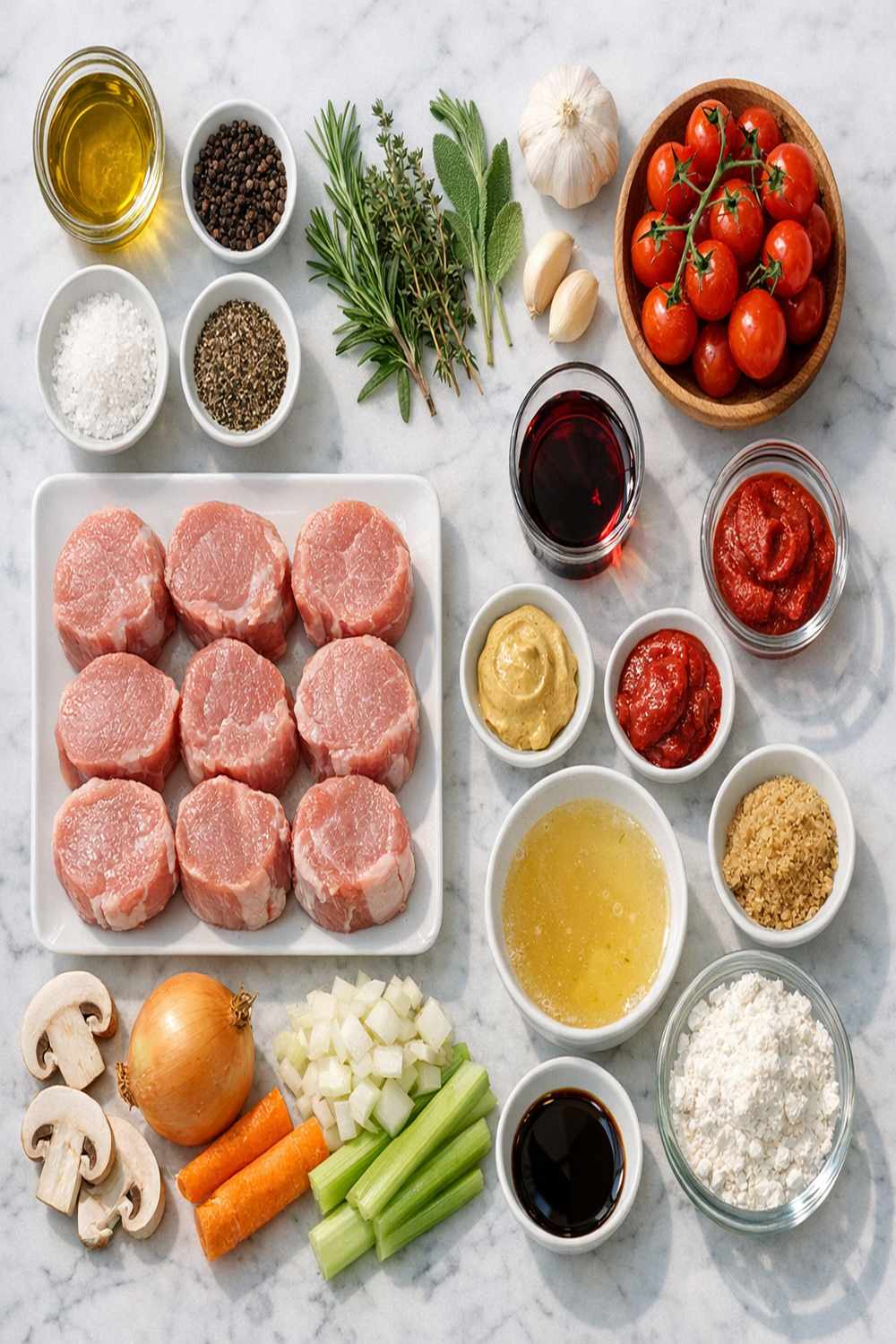
Just 11 simple ingredients, most of which live in your pantry right now:
- 1 pound pork tenderloin (or 4 medallions, about 1 inch thick each)
- 2 tablespoons unsalted butter (divided for cooking)
- 1 tablespoon extra-virgin olive oil
- fine sea salt and freshly cracked black pepper (to taste)
- ¼ cup all-purpose flour (for dredging)
- 2 cloves fresh garlic (minced finely)
- ½ teaspoon Dijon mustard (adds subtle tang)
- ¼ cup low-sodium chicken broth (or dry white wine if you prefer)
- ½ teaspoon dried herbs de Provence (or Italian seasoning as backup)
- 1 cup heavy whipping cream (full-fat for the best texture)
- ½ tablespoon fresh flat-leaf parsley (chopped for garnish)
How to Make Braised Pork Medallion Recipe in 5 Steps
Here’s exactly how to do it:
Step 1: Prepare Your Pork
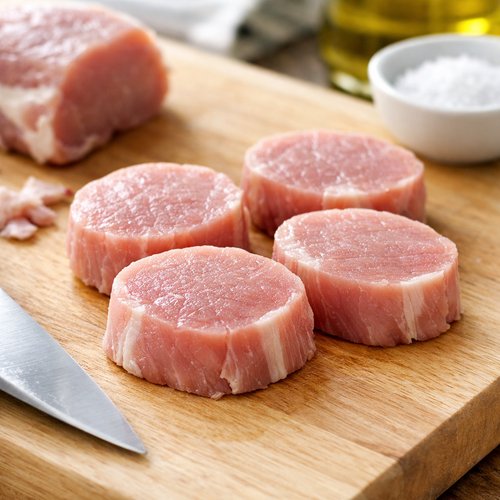
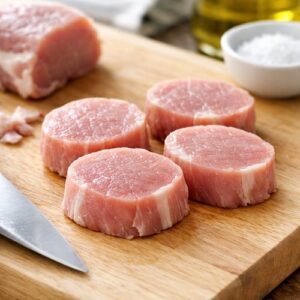
Trim any visible fat from the pork tenderloin, then slice it crosswise into rounds about 1 inch thick. You should have about 4 medallions. Place each piece between two pieces of parchment paper and gently pound them to an even thickness (about ¾ inch). This helps them cook evenly and stay tender. Pat them dry with paper towels—this is critical for achieving that beautiful golden crust.
Step 2: Season and Dredge
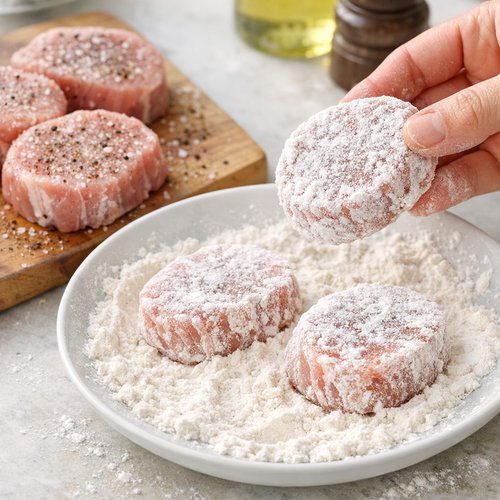
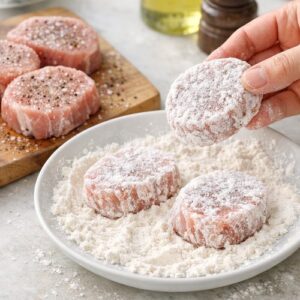
Season each medallion generously with salt and pepper on both sides. Pour your flour onto a shallow plate and coat each piece lightly, shaking off any excess. Don’t skip this step—the flour creates that signature caramelized exterior that makes the sauce taste restaurant-quality.
Step 3: Sear the Pork Until Golden
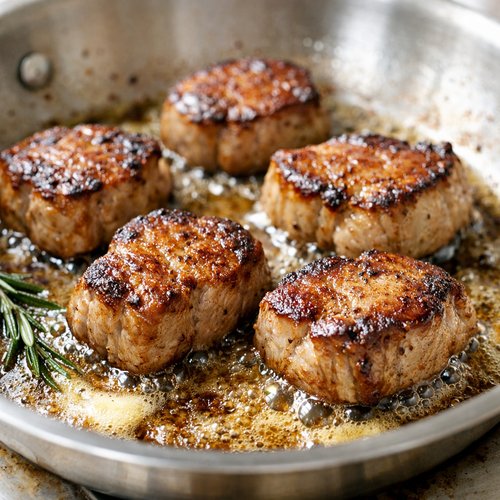
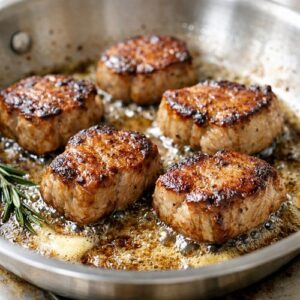
Heat your skillet over medium-high heat and add the butter and olive oil together. Wait about 1 minute for the pan to get really hot—you’ll see a slight shimmer across the surface. Carefully add your pork medallions (you may need to work in two batches if your pan is small). Let them sit undisturbed for about 3 minutes until they’re golden brown on the bottom, then flip and cook the other side for another 3 minutes. Remove the pork to a clean plate.
Step 4: Build Your Cream Sauce
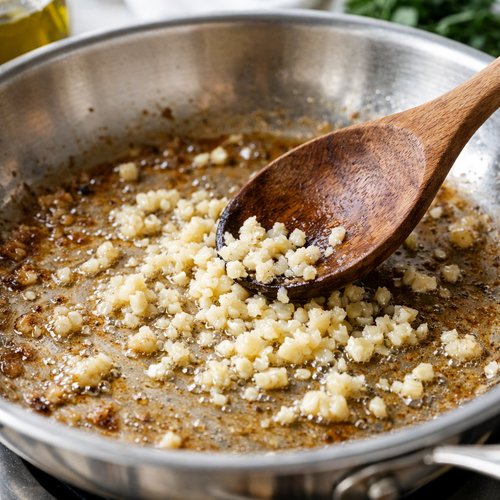
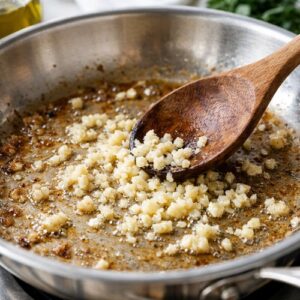
Reduce heat to medium and add minced garlic to the same skillet. Let it cook for about 30 seconds until it’s fragrant—don’t let it brown. Stir in the Dijon mustard, then pour in your chicken broth, scraping up all those beautiful brown bits stuck to the bottom of the pan. These bits are pure flavor and shouldn’t be wasted. Add your dried herbs and let the mixture bubble gently for about 1 minute. Slowly pour in the cream while stirring constantly, letting it bubble gently for 2 minutes until slightly thickened.
Step 5: Finish and Serve
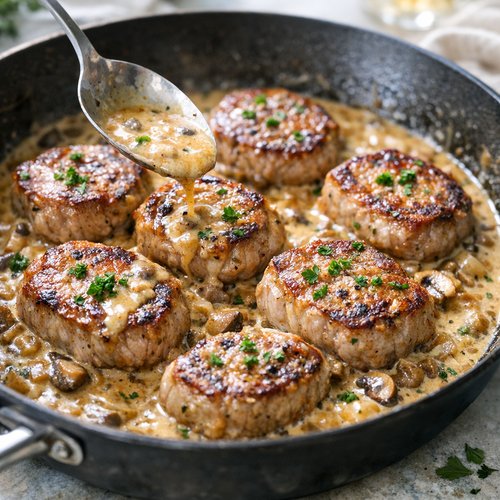
Return the pork medallions to the skillet and reduce heat to medium-low. Let everything simmer together for about 5 minutes, turning the pork once halfway through. The pork should reach an internal temperature of 145°F (63°C) on a meat thermometer—slightly pink in the very center is perfect and keeps the meat incredibly tender. Taste the sauce and adjust seasoning with extra salt and pepper if needed. Sprinkle fresh parsley over the top and serve immediately.
Expert’s Nutritional Insight
As a registered dietitian, I want you to understand why pork tenderloin is such a nutritional powerhouse for busy families. It’s one of the leanest cuts of pork available—comparable to chicken breast—providing about 26 grams of protein per 3-ounce serving. It’s also rich in B vitamins, particularly B6 and niacin, which support energy metabolism and help your body convert food into fuel. The cream sauce adds richness and fat-soluble vitamins that help absorb fat-soluble nutrients, plus it makes the meal feel absolutely luxurious without requiring any special ingredients. This is real food that nourishes your body and brings joy to your table.
5 Ways to Customize This Recipe
- Swap to chicken breasts – pound them thin and reduce the final simmer time to 3 minutes; they’ll cook faster than pork
- Add mushrooms – slice 8 ounces of cremini or button mushrooms and cook them in the pan before the pork for earthy depth
- Go lighter with half-and-half – replace the heavy cream with an equal amount of half-and-half or even whole milk for fewer calories without sacrificing creaminess
- Add fresh tarragon or thyme – replace the herbs de Provence with 1 teaspoon of fresh herbs stirred in at the very end for a brighter, fresher taste
- Make it wine-forward – substitute the chicken broth entirely with ¼ cup dry white wine like Sauvignon Blanc or Pinot Grigio for restaurant elegance
Common Mistakes to Avoid
After cooking this recipe hundreds of times, I’ve noticed a few pitfalls that even experienced cooks sometimes make. Understanding these will guarantee your success:
- Skipping the patting dry step – moisture is the enemy of browning. If your pork has any surface moisture, you’ll steam instead of sear, and your crust won’t develop properly. Always pat dry with paper towels before seasoning.
- Not letting the pan get hot enough – I see cooks add their pork when the butter is still foaming or the oil isn’t shimmering yet. You need genuine heat to create that beautiful golden exterior. Wait the full minute and listen for a gentle sizzle when the pork hits the pan.
- Moving the pork too early – resist the urge to flip or move your medallions for a full 3 minutes. Every time you move them, you interrupt the browning process and create a gray, steamed surface instead of golden crust.
- Overcooking the pork – pork tenderloin is lean, so it dries out quickly. Pull it off the heat at 145°F internal temperature. It will be slightly pink in the center and incredibly juicy. Cooking it past that point to “well-done” turns it into shoe leather.
Make It Ahead and Meal Prep Tips
- Prep the pork the night before – trim, slice, and pound your medallions up to 24 hours ahead. Store them on a plate covered with plastic wrap in the refrigerator. This cuts your cooking time down to just 15 minutes on busy weeknights. When you’re ready to cook, simply pat them dry and proceed from Step 2.
- Make the full recipe and freeze half the sauce – this recipe doubles beautifully. Cook a batch, cool it completely, then freeze half the finished pork and sauce in an airtight container for up to 2 months. Reheat gently in a 300°F oven for about 12 minutes until warmed through. You’ll have an elegant dinner ready whenever you need it most.
Quick Substitutions
- Dijon mustard – use whole grain mustard or even a dab of regular yellow mustard if that’s what you have; it adds the same subtle tang
- Herbs de Provence – swap in Italian seasoning, or use ¼ teaspoon dried thyme plus ¼ teaspoon dried rosemary
- Heavy cream – use half-and-half for fewer calories, or even whole milk (though the sauce will be thinner and less rich)
- Chicken broth – use vegetable broth, beef broth, or that dry white wine I mentioned; each adds a slightly different flavor profile
- Fresh parsley – use fresh chives, tarragon, or even fresh thyme if that’s what’s in your garden or refrigerator
Seasonal Variations
This recipe adapts beautifully throughout the year. In spring, I add fresh peas and tarragon to the sauce during the final 2 minutes of cooking. Summer calls for fresh lemon zest stirred in at the very end—it brightens the cream sauce beautifully. Come fall, I add a tablespoon of whole grain mustard and a splash of apple cider to give it a slightly earthier flavor. Winter is the time for dried mushrooms rehydrated in warm broth—they add umami depth that makes the sauce even more luxurious. The core technique remains exactly the same; you’re just playing with seasonal flavors to keep things interesting throughout the year.
How to Store and Reheat
Fridge: 3 days. Store the cooled pork and sauce together in an airtight container. Freezer: 2 months. Cool completely before freezing in an airtight, freezer-safe container. Reheat: Thaw overnight in the refrigerator if frozen, then gently warm in a 300°F oven for 10–12 minutes until warmed through, or reheat on the stovetop over medium-low heat, stirring occasionally, for about 5 minutes. The pork may dry out if reheated above medium heat, so patience is your friend here.
Nutrition at a Glance
Per serving (1 medallion with sauce): 380 calories, 26g protein, 28g fat, 4g carbohydrates, and less than 1g fiber. According to USDA nutrition data, this meal delivers substantial protein for satiety plus B vitamins for energy metabolism. The fat content comes primarily from the cream and butter, which provide fat-soluble vitamins and make the meal deeply satisfying. This is a balanced, nutrient-dense dinner that fuels your body and nourishes your soul.
Serve It With
This pork medallion shines alongside creamy mashed potatoes (they soak up that silky sauce beautifully), steamed green beans, roasted asparagus, or egg noodles tossed with butter and fresh herbs. I often serve it with crispy baked latkes for a heartier meal, or simply with a fresh green salad and crusty bread for something lighter. For a complete elegant dinner, pair it with roasted baked pears for dessert—the sweetness is the perfect counterpoint to the savory cream sauce.
- Creamy mashed potatoes – the classic pairing that soaks up every drop of sauce
- Roasted asparagus or green beans – a simple vegetable adds color, texture, and nutrition
- Egg noodles tossed with butter and parsley – elegant but minimal effort, ready in about the same time as the pork
- Crusty bread – perfect for wiping up any leftover sauce on your plate
- Fresh green salad with vinaigrette – cuts through the richness with bright acidity

Braised Pork Medallion Recipe
Ingredients
Method
- Trim any visible fat from the pork tenderloin, then slice it crosswise into rounds about 1 inch thick. You should have about 4 medallions. Place each piece between two pieces of parchment paper and gently pound them to an even thickness (about ¾ inch). This helps them cook evenly and stay tender. Pat them dry with paper towels—this is critical for achieving that beautiful golden crust.
- Season each medallion generously with salt and pepper on both sides. Pour your flour onto a shallow plate and coat each piece lightly, shaking off any excess. Don't skip this step—the flour creates that signature caramelized exterior that makes the sauce taste restaurant-quality.
- Heat your skillet over medium-high heat and add the butter and olive oil together. Wait about 1 minute for the pan to get really hot—you'll see a slight shimmer across the surface. Carefully add your pork medallions (you may need to work in two batches if your pan is small). Let them sit undisturbed for about 3 minutes until they're golden brown on the bottom, then flip and cook the other side for another 3 minutes. Remove the pork to a clean plate.
- Reduce heat to medium and add minced garlic to the same skillet. Let it cook for about 30 seconds until it's fragrant—don't let it brown. Stir in the Dijon mustard, then pour in your chicken broth, scraping up all those beautiful brown bits stuck to the bottom of the pan. These bits are pure flavor and shouldn't be wasted. Add your dried herbs and let the mixture bubble gently for about 1 minute. Slowly pour in the cream while stirring constantly, letting it bubble gently for 2 minutes until slightly thickened.
- Return the pork medallions to the skillet and reduce heat to medium-low. Let everything simmer together for about 5 minutes, turning the pork once halfway through. The pork should reach an internal temperature of 145°F (63°C) on a meat thermometer—slightly pink in the very center is perfect and keeps the meat incredibly tender. Taste the sauce and adjust seasoning with extra salt and pepper if needed. Sprinkle fresh parsley over the top and serve immediately.

Notes
FAQs
Can I use pork chops instead of pork tenderloin?
Absolutely. Boneless center-cut pork chops work beautifully—they’re often thicker than medallions, so you may need to pound them to ¾-inch thickness and add 1–2 minutes to the cooking time. If you’re interested in exploring other pork chop recipes, check out my baked center-cut pork chop recipe for another delicious option.
What if my cream sauce breaks or looks curdled?
This happens when the heat is too high. Stop cooking immediately, remove the pan from heat, and let it cool for 1 minute. Then whisk in a splash of cold broth or milk while stirring constantly. The sauce should come back together. Next time, keep your heat at medium or medium-low once the cream is added—gentle heat prevents breaking.
Can I make this with beef instead of pork?
Yes. Use beef tenderloin medallions or beef filet mignon, and follow the same recipe exactly. The cooking times remain the same since both cuts are tender and cook quickly. You might also enjoy my homemade beef stock recipe if you want to use beef broth instead of chicken broth for extra depth.
How do I know when the pork is done cooking?
Use a meat thermometer inserted into the thickest part of a medallion. Pork is safely cooked at 145°F (63°C) according to USDA guidelines. At this temperature, it may still have a slight pink color in the very center, which indicates tenderness. If you prefer it more done, cook to 160°F, but know that you’ll sacrifice some juiciness.
Can I cut the recipe in half for just two people?
Absolutely. Use ½ pound pork tenderloin (2 medallions), cut all other ingredients in half, and follow the same timing. The cooking times remain identical—searing still takes 3 minutes per side, and the final simmer is still 5 minutes. The only thing you might adjust is keeping a close eye on your heat since smaller amounts of liquid heat faster.
More Quick Recipes You’ll Love
- Osso Buco – another stunning braised meat dish that uses the same deep-sauce technique
- Baked Cod with Lemon and Capers – a lighter seafood option that’s equally elegant and ready in 20 minutes
- Bacon Duck – if you want to explore other protein options with rich, savory flavors
The Bottom Line
This braised pork medallion recipe has been my secret weapon for creating elegant dinners on ordinary weeknights. It’s the recipe I return to when I want to feel like I’ve accomplished something special without spending hours in the kitchen. Those childhood family dinners I mentioned? They taught me that the most meaningful meals aren’t about complexity—they’re about showing up with intention, cooking with love, and sitting down together. This recipe does exactly that. Your family will taste the care in every bite, and you’ll do it all in about 30 minutes using ingredients you probably already have. Make this tonight, and I promise you’ll be making it again and again. Take care with love and flavor!