Blue Catfish Recipe
This post contains affiliate links. As an Amazon Associate I earn from qualifying purchases.
This blue catfish recipe doesn’t just taste incredible—it stops people in their tracks. The moment you pull this golden, herb-crusted beauty from the oven, your kitchen fills with the most welcoming aroma of lemon, garlic, and fresh herbs. Here’s the thing: I grew up watching my mom create these unforgettable family dinners in what felt like no time at all, and this recipe captures that same magic. Whether you’re feeding a skeptical teenager or impressing dinner guests, this simple preparation proves that restaurant-quality fish belongs on your weeknight table.
The Most Beautiful Blue Catfish Recipe You’ll Ever Make (And It’s Easier Than It Looks)
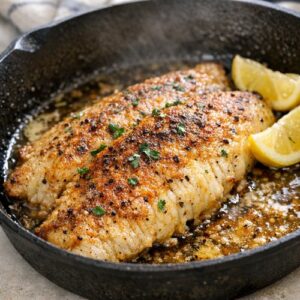
I’ll never forget the night my neighbor knocked on our door asking what smelled so incredible. It was a Thursday evening, nothing fancy—just me making this exact recipe. She came back three times asking questions because the presentation looked like something from a magazine. That’s when I realized: people eat with their eyes first. This baked catfish dish delivers that visual impact naturally, without fussing or fancy techniques. The paprika-herb crust develops this beautiful russet-golden color, the butter-lemon glaze creates an elegant shine, and the whole presentation feels intentional and impressive.
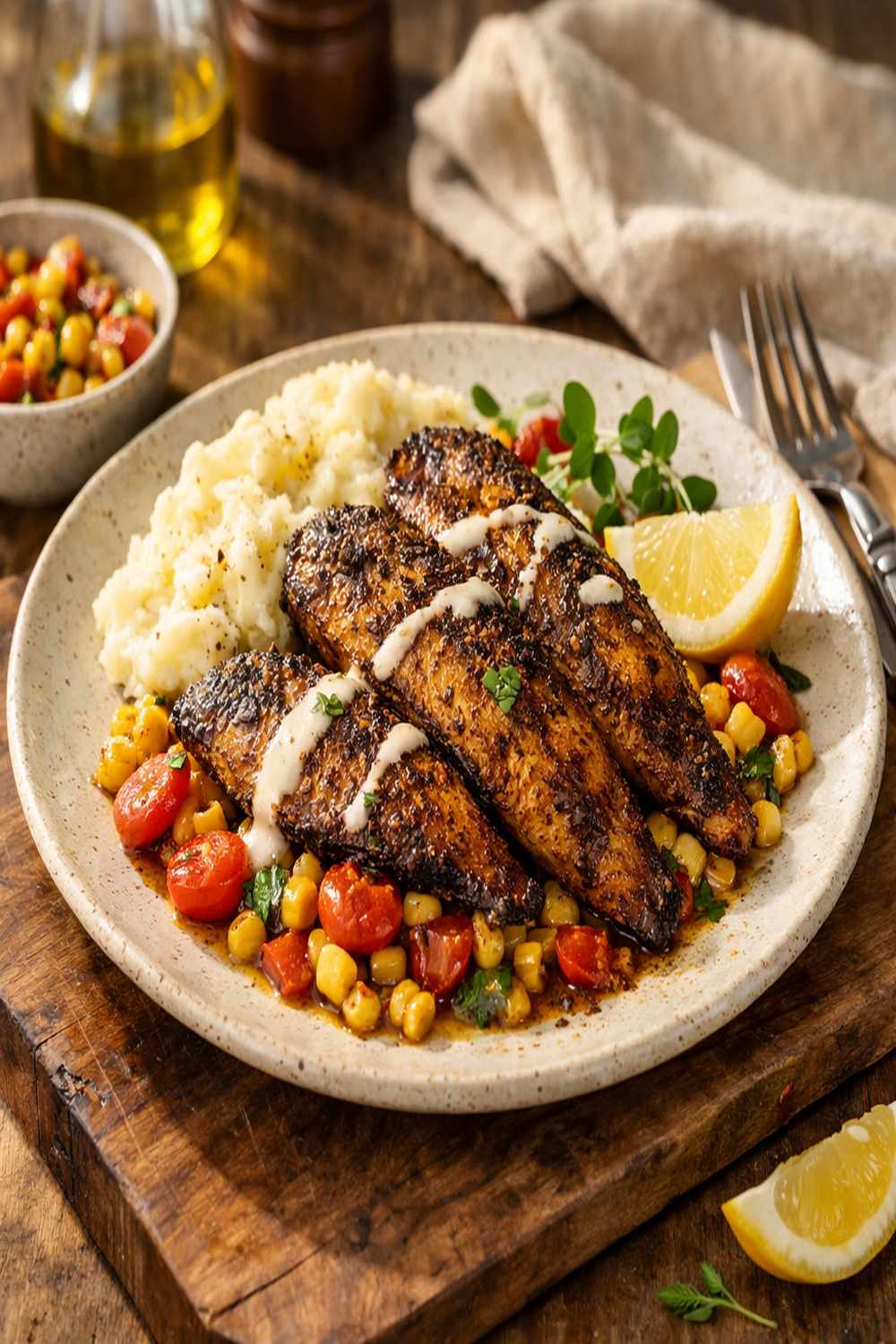
The Visual Elements That Make This Dish Stunning
When you understand what makes food visually appealing, suddenly cooking feels less like following instructions and more like creating something meaningful. This catfish dish teaches us that lesson beautifully. The color story alone—from the herb-spiced exterior to the delicate flake of the fish inside—creates visual interest that makes people want to dig in immediately.
- Warm, earthy spice colors – The paprika and thyme create a russet-to-golden exterior that signals warmth and comfort. This isn’t pale or washed out; it’s rich and inviting from the moment it comes out of the oven.
- Glossy, luxurious finish – The butter-lemon-garlic drizzle creates a beautiful sheen that catches light and makes the fish look restaurant-quality. That gleam is what separates “home-cooked” from “chef-prepared” in the viewer’s mind.
- Tender, delicate texture contrast – The flaky interior of properly cooked catfish contrasts beautifully with the herb-crusted exterior. When plated, you can see both—the structure and the tenderness.
Choosing Ingredients for Maximum Visual Impact
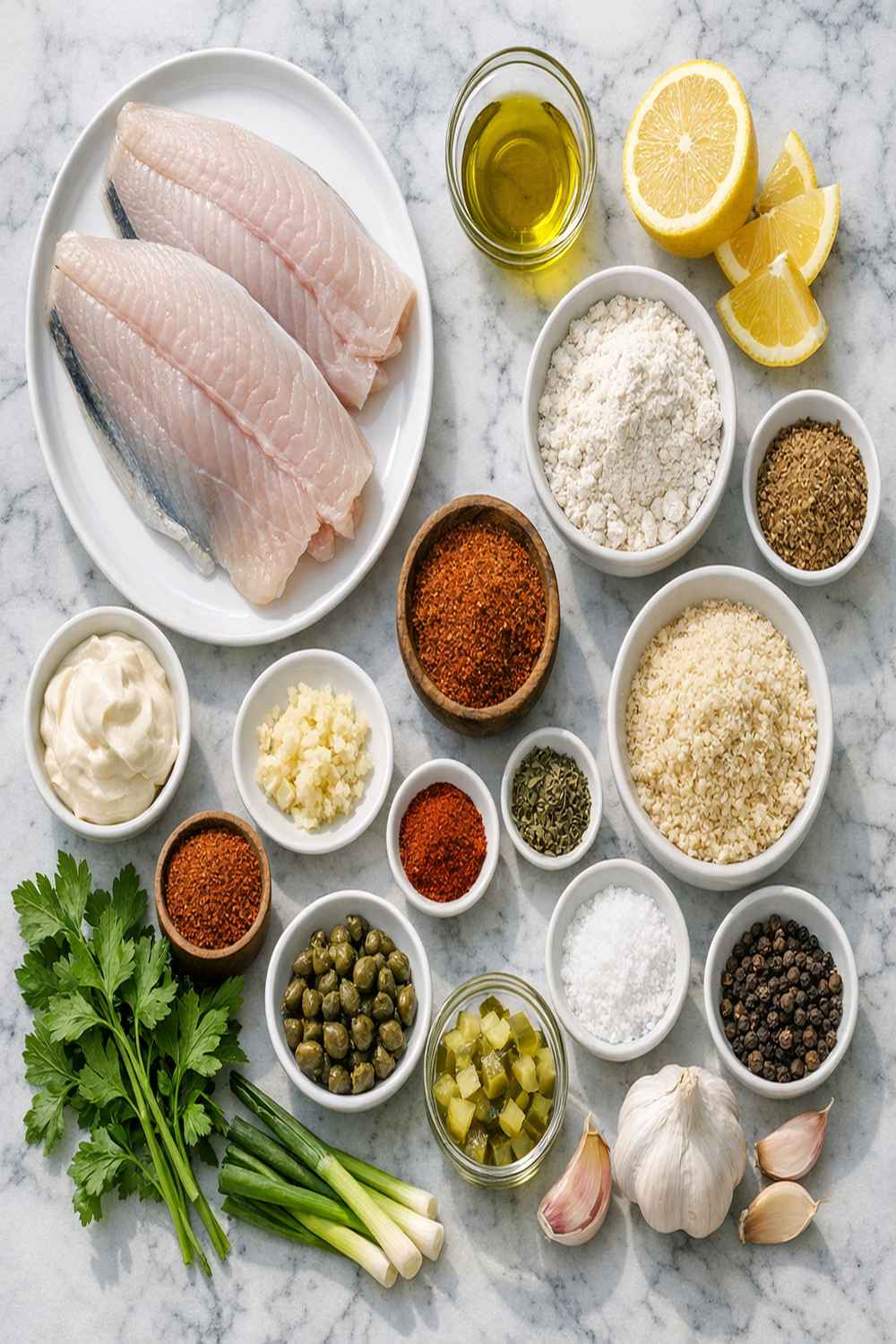
I approach ingredient selection like building a color palette. Each ingredient brings something beyond flavor—it brings visual contribution. That’s the registered dietitian in me talking, but it’s also just good cooking sense. When your ingredients have color, they signal freshness and nutrition to your guests before anyone takes a bite. This recipe uses pantry staples you likely already have, which means you’re never stressed about sourcing specialty items.
- Juice of 1 lemon (approximately 2-3 tablespoons, adds brightness and acidity)
- Non-stick cooking spray (prevents sticking and allows beautiful browning)
- ½ teaspoon dried thyme (contributes earthy notes without overpowering)
- 1 teaspoon salt (enhances all flavors and creates proper seasoning depth)
- ½ teaspoon dried oregano (adds Mediterranean warmth to the flavor profile)
- ¾ teaspoon paprika (creates the warm golden-rust exterior color)
- 24 ounces blue catfish fillets (4 fillets at approximately 6 ounces each, fresh or thawed and patted dry for best browning)
- 2 tablespoons butter (melted, creates the glossy finishing sauce)
- 2 tablespoons fresh parsley leaves (chopped finely, adds bright green color and fresh herb notes)
- ½ teaspoon ground black pepper (provides bite and visual speckles throughout)
- ½ teaspoon dried basil (rounds out the herb combination with subtle sweetness)
- ¼ teaspoon garlic powder (provides savory depth without overpowering delicate fish)
How to Make Picture-Perfect Blue Catfish Recipe
I’m going to walk you through this like we’re cooking together in my kitchen. The beauty of this method is that every single step creates something you can see and feel. You’re not blindly following directions—you’re watching your dish come together. The whole process takes about 30 minutes from start to table, and most of that is hands-off baking time.
Step 1: Prepare Your Spice-Herb Mixture (2 minutes)
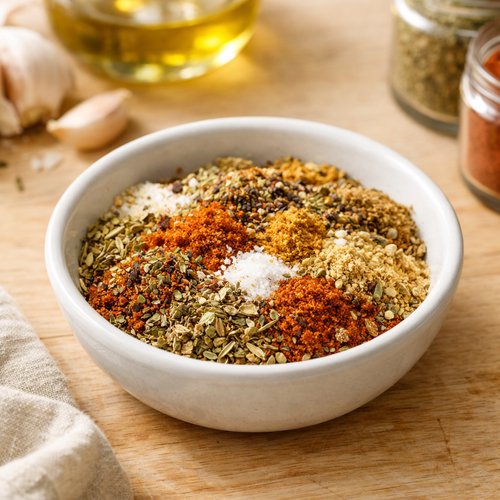
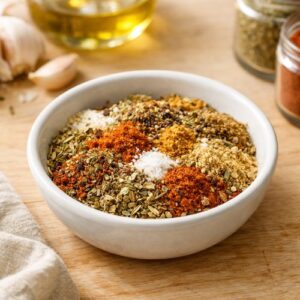
Start by gathering a small bowl and combining all your dried herbs and spices. I always do this first because it takes the pressure off once the oven is preheating. Combine the paprika, thyme, oregano, basil, black pepper, and salt in a small mixing bowl. Use a fork to break up any clumps in the dried herbs—this ensures even distribution across your fish. The mixture should look like a custom seasoning blend, with visible specks of herbs throughout. That visual detail matters; it shows your guests you’ve put thought into the preparation.
Step 2: Preheat and Prepare Your Baking Surface (3 minutes)
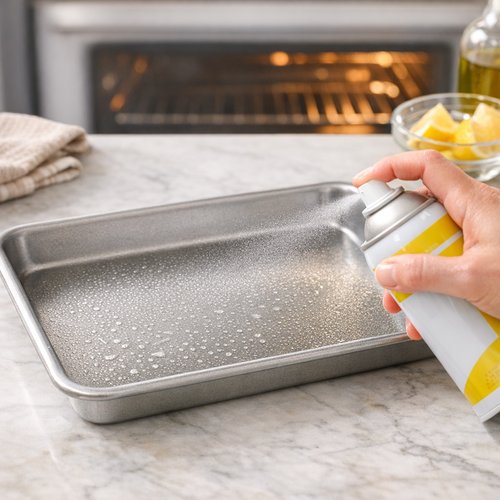
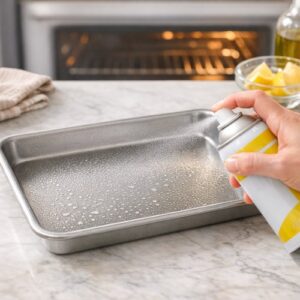
Set your oven to 350 degrees and allow it to fully preheat. While it’s heating, take a standard baking pan and coat it lightly with non-stick cooking spray. The reason I specify this: a properly prepared pan means your fillets won’t stick, and they’ll develop a beautiful golden exterior. Pat your catfish fillets dry with paper towels—this step is crucial and often overlooked. Moisture is the enemy of browning, and you want that beautiful color.
Step 3: Arrange and Season Your Fish (3 minutes)
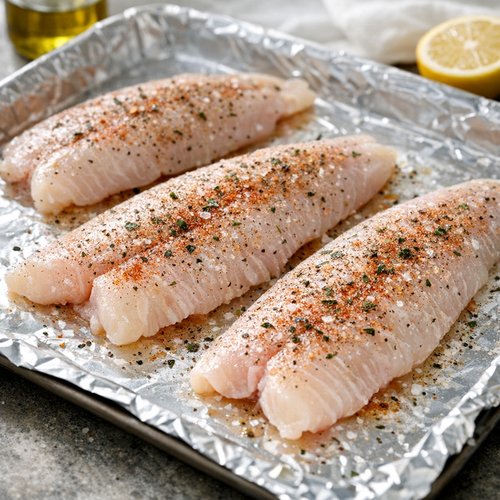
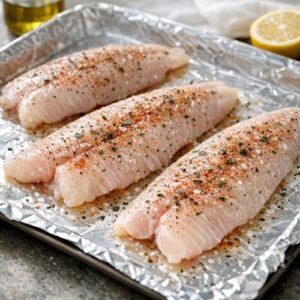
Place your four catfish fillets on the prepared baking pan in a single layer, spacing them about an inch apart so heat circulates evenly. Sprinkle the herb-spice mixture generously over both sides of each fillet. Don’t be shy here—you want visible seasoning on top and bottom. This is where the visual magic happens: you’ll see that warm, earthy herb crust forming. The fresh parsley you chopped earlier adds tiny flecks of green that catch the eye, signaling freshness.
Step 4: Create Your Finishing Butter Sauce (2 minutes)
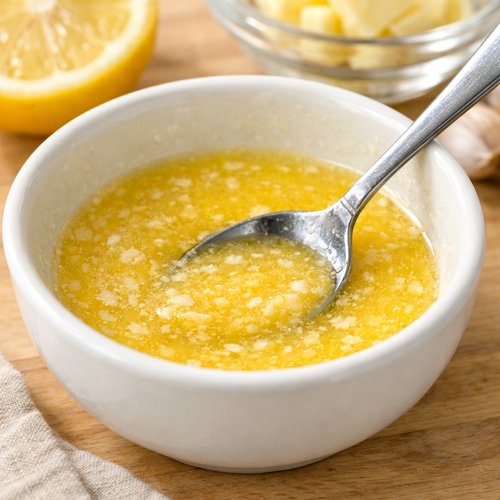
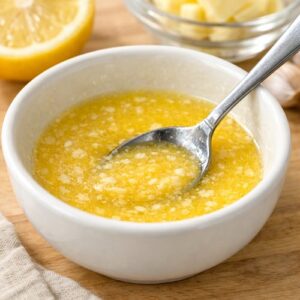
In a small bowl, combine your melted butter, freshly squeezed lemon juice, and garlic powder. Stir until completely blended—you want a cohesive sauce, not separated butter floating on top. The mixture should look like a silky, pale golden liquid. This is what creates that restaurant-quality shine and locks in moisture while the fish bakes.
Step 5: Apply the Finishing Sauce and Bake (15-20 minutes)
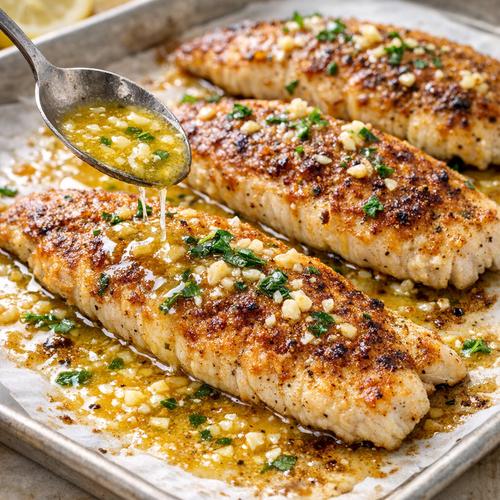
Carefully drizzle the butter-lemon-garlic sauce over each fillet, dividing it evenly among the four pieces. You want enough that it pools slightly around the fish but doesn’t make a huge puddle. Place the pan in your preheated 350-degree oven and set a timer for 15 minutes. At the 15-minute mark, check for doneness—the fish should flake easily when you gently press the thickest part with a fork. If it still looks translucent in the center, give it another 3-5 minutes. Properly cooked catfish will be completely opaque and flake into tender pieces.
Step 6: Rest and Finish (2 minutes)
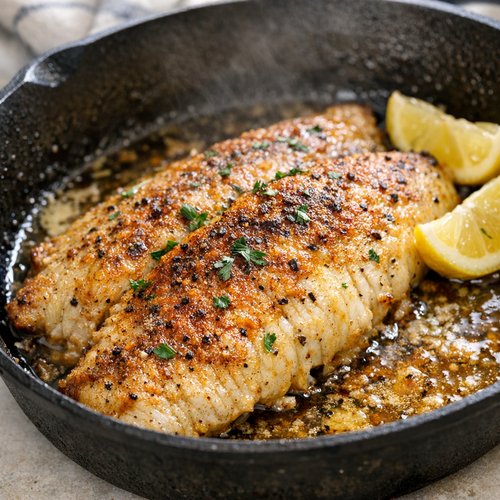
Remove the pan from the oven and let the fish rest for exactly 2 minutes. This allows the proteins to set fully and the exterior to develop that final beautiful texture. The residual heat continues cooking gently, ensuring your fish is perfectly moist inside with that crispy-edged herb crust. The pan juices will still be glistening and warm—this is the sauce that will accompany your fish to the plate.
The Plating Masterclass
Here’s what separates a good dish from one people actually remember: intentional plating. You don’t need fancy plates or complicated techniques. You need to think about negative space, sauce placement, and how the eye travels across the plate. With this catfish, you’re working with a beautiful ingredient—let it shine.
- The Foundation Layer – Start by placing one fillet slightly off-center on your plate, positioned so the herb crust faces upward and catches light. This isn’t random placement; it’s creating visual balance and showcasing your best work.
- The Sauce Technique – Using a spoon, carefully drizzle the pan juices (that beautiful butter-lemon mixture) around the fish in a thin, intentional arc. Don’t pour it all over the top—let the herb crust remain visible. The sauce should pool slightly but leave clean white space on the plate.
- The Fresh Garnish – Top the fillet with a small pinch of fresh parsley and a whisper-thin lemon slice. That fresh green against the golden crust creates the final visual interest. This isn’t about being fancy; it’s about finishing what you started.
Photography Tips for This Dish
If you’re sharing this dish on social media or just want to capture how beautiful it looks, these technical tips genuinely make a difference. I learned these from watching food photographers work, and they transformed how I present my own cooking.
- Capture the Golden Hour Light – The best time to photograph this dish is during natural golden-hour light (early morning or late afternoon). Position your plate perpendicular to the window so light catches the glossy butter sauce and makes it shimmer. Harsh overhead light flattens the beautiful herb colors.
- Shoot from a 45-Degree Angle – This angle shows both the herb-crusted top and the delicate flake of the fish interior. Straight-down overhead shots lose the dimensional quality that makes this dish special. Slightly angled allows viewers to see the texture and layers.
- Include Context Props – Place a lemon wedge, fresh herb sprig, or simple linen napkin near the plate. These elements tell a story of thoughtful preparation without cluttering the composition. Props should complement, not compete.
Seasonal Color Variations
This recipe’s beauty is its adaptability. The core preparation stays the same, but your garnish and serving accompaniments shift with the seasons, creating visual variety year-round.
Spring calls for bright, fresh elements. Add microgreens or pea shoots alongside your plated fish. Replace the simple lemon garnish with a lemon wheel and fresh dill. Spring onions or fresh chives add height and color contrast. The green signals renewal and pairs perfectly with the herb crust.
Summer is all about vibrant color. Serve alongside heirloom tomato slices or fresh corn. The warm paprika tones in your fish complement cool, bright vegetables beautifully. Add basil leaves (yes, fresh basil, not just dried) and let the color contrast sing.
Fall introduces warmth. Roasted root vegetables—carrots, beets, or golden beets—create color harmony with your herb crust. The paprika suddenly feels very autumn-appropriate. Add sage to your herb mixture for deeper earthiness that matches the season.
Winter simplifies beautifully. Creamed spinach or simple steamed green beans provide color contrast without competing. A squeeze of fresh lemon becomes even more important when fresh produce is limited. The warm golden fish becomes a beacon of comfort in colder months.
Can I Store Blue Catfish Recipe?
Absolutely, and here’s my professional tip: the key to storage is understanding that fish is most delicious fresh, but it doesn’t mean you can’t preserve it thoughtfully. If you have leftovers (which is rare in my house), store the cooled catfish in an airtight container in the refrigerator for up to 3 days. The fish will remain moist because of the butter-based cooking method.
For reheating, I recommend the gentle approach: place your fillet on a sheet of parchment paper, cover loosely with foil, and warm in a 300-degree oven for about 8 minutes. This prevents drying and maintains that delicate texture. Microwave reheating works in a pinch but compromises the texture significantly. Do not freeze cooked catfish—the delicate protein breaks down and loses its appeal. However, you can freeze raw catfish fillets for up to 3 months in an airtight freezer bag. Thaw in the refrigerator overnight before cooking using this exact method.
The presentation stays beautiful even with leftovers because the herb crust maintains its color and the fish doesn’t become translucent or dull. I’ve plated leftover catfish for next-day lunches and it looked nearly as impressive as the first serving.
Expert’s Nutritional Tip: Why Catfish is a Registered Dietitian’s Go-To Protein
I spend my days helping overwhelmed home cooks understand nutrition without the overwhelm. Catfish is one of my most-recommended proteins, and I want to share why. Catfish provides complete protein (containing all nine essential amino acids) in a lean package—just 150 calories and 3 grams of fat per 3-ounce serving, according to USDA nutrition data. But here’s what excites me most as a dietitian: the soft, delicate texture of catfish makes it accessible for everyone—children learning to eat fish, seniors with sensitive mouths, and anyone recovering from illness.
The herbs in this recipe aren’t just flavor—they’re functional nutrition. Oregano and thyme contain powerful antioxidants (specifically carvacrol and thymol). Fresh parsley is a natural source of Vitamin K and folate. The lemon juice enhances iron absorption from the fish, and garlic supports cardiovascular health. This isn’t a heavy, indulgent dish masquerading as healthy. It’s genuinely nourishing food that tastes like celebration.
Make-Ahead Guide: Meal Prep Like a Professional
One of my favorite aspects of this recipe is how beautifully it accommodates real life. Here’s my professional meal prep approach:
The Night Before: Prepare your herb-spice mixture completely and store it in a small airtight container on your counter. Pat your catfish fillets dry, place them on parchment paper on a baking sheet, cover tightly with plastic wrap, and refrigerate. Prepare your butter-lemon-garlic sauce in a small glass container and refrigerate separately. In the morning, everything is ready—no chopping, no measuring.
One Hour Before Dinner: Remove your catfish from the refrigerator 20 minutes before cooking (brings it closer to room temperature for more even cooking). Preheat your oven. This truly becomes a 10-minute hands-on activity when everything is prepped.
The Batch-Cooking Approach: If you’re serving 8 people instead of 4, simply double the ingredient quantities and use two baking pans side by side in the oven. Timing remains exactly the same because you’re not stacking the fish—they’re still in a single layer. The herb crust develops identically whether you’re cooking 4 fillets or 8.
Common Mistakes to Avoid (So Your First Time Is Perfect)
Teaching thousands of home cooks has shown me patterns. These are the four things beginners typically do wrong—and exactly how to avoid them:
Mistake #1: Wet Fish – Catfish fillets that aren’t patted dry won’t brown properly. The moisture creates steam instead of color. Solution: Use paper towels and really press them against the fillet. If it’s still glistening, you haven’t dried it enough.
Mistake #2: Overcooking the Fish – Fish goes from perfectly cooked to rubbery in approximately 90 seconds. I recommend setting a timer for 15 minutes, then checking every 60 seconds after that. The fish should flake when tested with a fork, but should still feel slightly soft in the center (carryover cooking finishes the job).
Mistake #3: Skipping the Resting Period – I know 2 minutes seems insignificant, but those 180 seconds allow the proteins to set completely and ensure the interior stays moist. It’s the difference between good and restaurant-quality.
Mistake #4: Not Using Fresh Lemon** – Bottled lemon juice is convenient but creates a flat, artificial taste. Fresh lemon juice—squeezed literally 5 minutes before cooking—transforms this dish. The aromatic oils in fresh lemon create brightness that bottled juice cannot replicate.
Nutrition Information
Per serving (1 fillet with sauce): 210 calories | 12g protein | 9g fat (5g saturated) | 0g carbohydrates | 0g fiber | 420mg sodium. This data comes from USDA nutrition databases and accounts for the actual ingredients and preparation method described.
What excites me nutritionally is the color-nutrition connection here. That golden-rust herb crust? It’s signaling antioxidant-rich herbs. The golden butter? It carries fat-soluble vitamins that help your body absorb the fish’s nutrients. The fresh lemon’s brightness? That’s ascorbic acid enhancing mineral absorption. You’re not eating a plain fillet; you’re eating a carefully constructed nutritional package that happens to taste incredible.
What to Serve Alongside for a Complete Visual Spread
The magic of a beautiful meal isn’t just the star protein—it’s how everything on the table works together. Think of your plating like curating an art collection. Each element should complement without competing. If you’re looking for lighter Southern-inspired options to build a menu around, consider how similar techniques apply across seafood preparations.
- Creamed Spinach or Sautéed Garlic Green Beans – The deep green creates stunning color contrast against the golden fish and herb crust. The soft, buttery texture complements the delicate flake of catfish without competing for attention.
- Lemon-Roasted Potatoes or Simple Rice Pilaf – A neutral starch supports the star protein. Choose preparations where you can see individual pieces (roasted potatoes or fluffy rice), not mashed preparations that blend together visually.
- Simple Green Salad with Lemon Vinaigrette – Fresh greens add brightness and provide cool temperature contrast to warm fish. The acidity of the vinaigrette echoes the lemon in your fish preparation, creating flavor cohesion.
- Crusty Bread or Dinner Rolls – This allows guests to soak up that gorgeous pan sauce. Warmed bread adds golden tones that harmonize with your fish’s herb crust.
For dessert, if you’re planning a complete dinner, something light keeps the meal from feeling heavy. A refreshing tiramisu served chilled provides elegant contrast to warm savory courses, though even fresh fruit with a simple cookie would balance beautifully.

Blue Catfish Recipe
Ingredients
Method
- Start by gathering a small bowl and combining all your dried herbs and spices. I always do this first because it takes the pressure off once the oven is preheating. Combine the paprika, thyme, oregano, basil, black pepper, and salt in a small mixing bowl. Use a fork to break up any clumps in the dried herbs—this ensures even distribution across your fish. The mixture should look like a custom seasoning blend, with visible specks of herbs throughout. That visual detail matters; it shows your guests you've put thought into the preparation.
- Set your oven to 350 degrees and allow it to fully preheat. While it's heating, take a standard baking pan and coat it lightly with non-stick cooking spray. The reason I specify this: a properly prepared pan means your fillets won't stick, and they'll develop a beautiful golden exterior. Pat your catfish fillets dry with paper towels—this step is crucial and often overlooked. Moisture is the enemy of browning, and you want that beautiful color.
- Place your four catfish fillets on the prepared baking pan in a single layer, spacing them about an inch apart so heat circulates evenly. Sprinkle the herb-spice mixture generously over both sides of each fillet. Don't be shy here—you want visible seasoning on top and bottom. This is where the visual magic happens: you'll see that warm, earthy herb crust forming. The fresh parsley you chopped earlier adds tiny flecks of green that catch the eye, signaling freshness.
- In a small bowl, combine your melted butter, freshly squeezed lemon juice, and garlic powder. Stir until completely blended—you want a cohesive sauce, not separated butter floating on top. The mixture should look like a silky, pale golden liquid. This is what creates that restaurant-quality shine and locks in moisture while the fish bakes.
- Carefully drizzle the butter-lemon-garlic sauce over each fillet, dividing it evenly among the four pieces. You want enough that it pools slightly around the fish but doesn't make a huge puddle. Place the pan in your preheated 350-degree oven and set a timer for 15 minutes. At the 15-minute mark, check for doneness—the fish should flake easily when you gently press the thickest part with a fork. If it still looks translucent in the center, give it another 3-5 minutes. Properly cooked catfish will be completely opaque and flake into tender pieces.
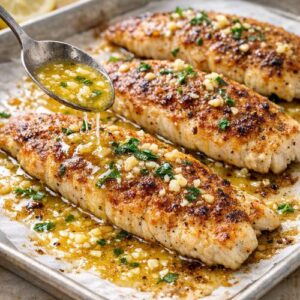
- Remove the pan from the oven and let the fish rest for exactly 2 minutes. This allows the proteins to set fully and the exterior to develop that final beautiful texture. The residual heat continues cooking gently, ensuring your fish is perfectly moist inside with that crispy-edged herb crust. The pan juices will still be glistening and warm—this is the sauce that will accompany your fish to the plate.
Notes
FAQs
Can I use a different type of fish with this exact preparation?
Absolutely, though timing adjusts slightly. This method works beautifully with cod, grouper, halibut, or flounder. The herb crust develops the same way, and the butter-lemon sauce complements any delicate white fish. Thicker fillets (like halibut) may need 20-25 minutes instead of 15-20. Thinner fillets (like sole) might be done in 12-14 minutes. Always test for doneness by checking if the fish flakes easily rather than relying solely on time.
What if I don’t have fresh parsley?
Your spice blend still works without it—the parsley is primarily a garnish adding fresh color and visual interest. If you’re omitting it entirely, ensure your other dried herbs are relatively fresh (less than 6 months old) so they haven’t lost potency. Alternatively, any fresh green herb (chives, dill, basil, or cilantro) provides the same visual effect and can be adjusted to your taste preferences.
Can I bake this at a higher temperature for faster cooking?
I don’t recommend it. Delicate fish like catfish benefits from gentler, more even heat. Higher temperatures (400°F or above) can create an unevenly cooked result—overcooked edges with an undercooked center. The 350°F temperature ensures the fish cooks through gently while the herb crust develops that beautiful golden color. Patience truly creates better results with seafood.
How do I know my catfish fillets are fresh versus thawed?
Fresh catfish should smell mildly of the ocean, not fishy or ammonia-like. The flesh should be firm and spring back when you gently press it. Thawed fish (which is perfectly acceptable and often what’s available) will have slight surface moisture and a slightly softer texture. Both cook beautifully in this recipe. If using previously frozen fish, the presentation and texture will be nearly identical to fresh.
Is this recipe suitable for meal prepping for the entire week?
I recommend preparing the components separately rather than the fully cooked dish. Make your herb-spice mixture on Sunday and store it covered. Portion raw catfish fillets into individual portions with parchment paper between them, cover tightly, and refrigerate. Prepare the butter-lemon sauce in a small jar. Each morning, you’ve got a 20-minute dinner ready—components stay fresher longer than a fully cooked fish. Similar make-ahead philosophy applies to other protein-based comfort foods where assembly and cooking happens fresh but ingredients are prepped.
More Visually Stunning Recipes
- Fried Catfish Recipe – A crispy alternative preparation celebrating the same beautiful protein with a different cooking method
- Tater Tot Hotdish – A comfort food classic where layering creates visual interest and golden-brown texture
- Charleston’s Bread Pudding Recipe – A stunning dessert where color, texture, and shine create restaurant-quality presentation
Final Thoughts: Feeding Eyes and Hearts Together
Here’s what I’ve learned in my years as a dietitian and home cook: feeding people well isn’t just about nutrition or flavor—it’s about creating moments. When you plate this catfish intentionally, when you take time to arrange the elements thoughtfully, when you light the table with care, you’re saying something without words. You’re saying, “You matter. This moment matters. I put thought into this.”
This recipe became my go-to because it delivers that message every single time. It’s simple enough for a Tuesday night but beautiful enough for company. It’s nutritious without lecturing about health. It’s practical enough to fit real life while feeling genuinely special.
I hope you’ll make this in your kitchen—maybe on a night when you need to feel like you’ve got everything together, or when someone you love deserves to feel celebrated. Notice how the herbs smell as they toast. Watch the golden crust develop. See how your guests’ faces light up when they see it plated. Those are the moments that matter.
Take care with love and flavor!