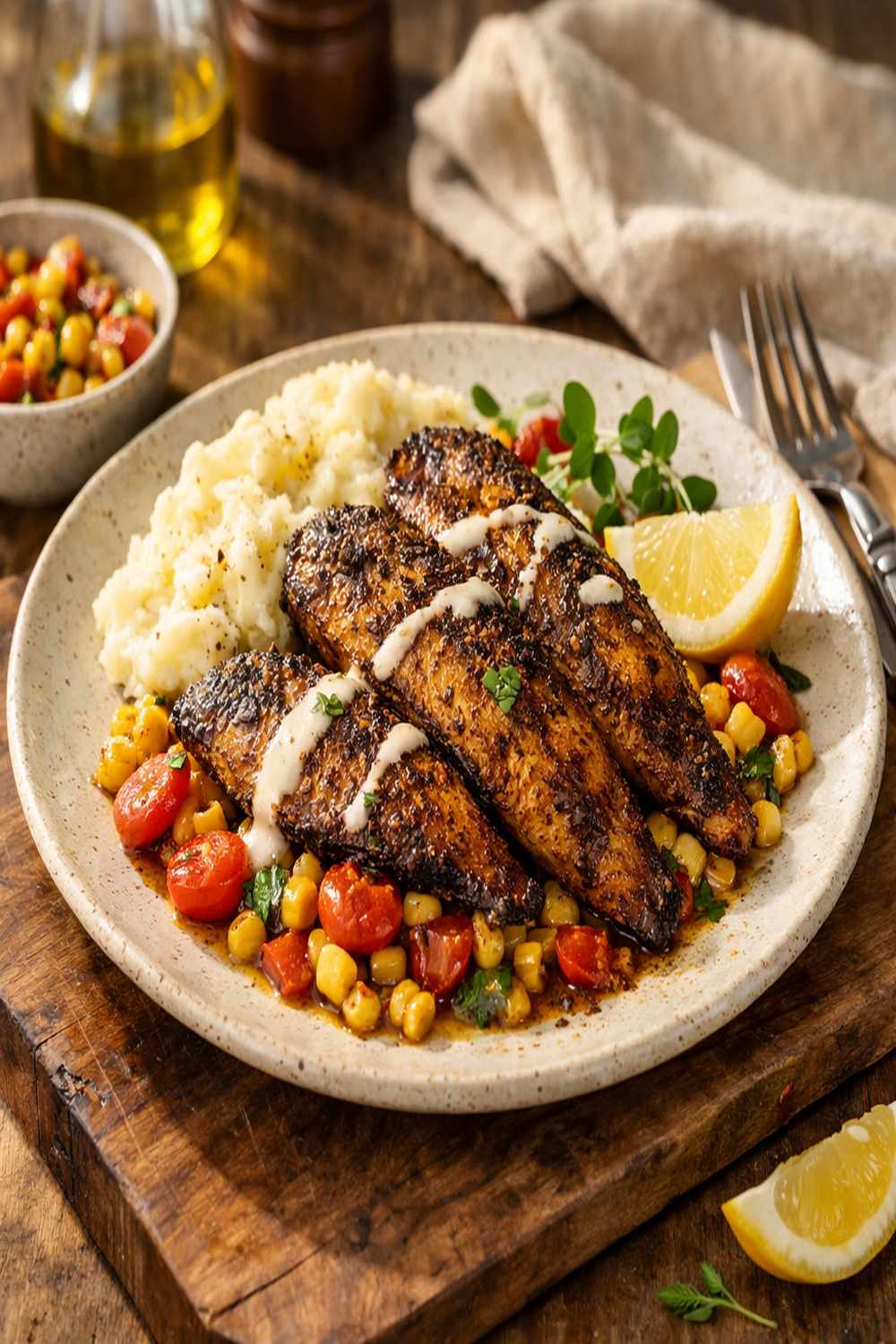

Ingredients
Method
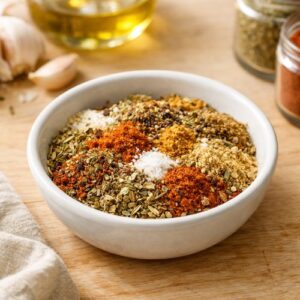
Step 1: Prepare Your Spice-Herb Mixture (2 minutes)
- Start by gathering a small bowl and combining all your dried herbs and spices. I always do this first because it takes the pressure off once the oven is preheating. Combine the paprika, thyme, oregano, basil, black pepper, and salt in a small mixing bowl. Use a fork to break up any clumps in the dried herbs—this ensures even distribution across your fish. The mixture should look like a custom seasoning blend, with visible specks of herbs throughout. That visual detail matters; it shows your guests you've put thought into the preparation.
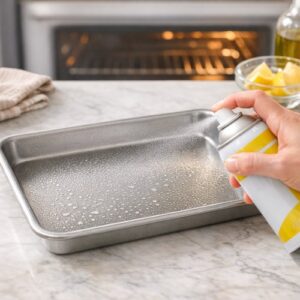
Step 2: Preheat and Prepare Your Baking Surface (3 minutes)
- Set your oven to 350 degrees and allow it to fully preheat. While it's heating, take a standard baking pan and coat it lightly with non-stick cooking spray. The reason I specify this: a properly prepared pan means your fillets won't stick, and they'll develop a beautiful golden exterior. Pat your catfish fillets dry with paper towels—this step is crucial and often overlooked. Moisture is the enemy of browning, and you want that beautiful color.
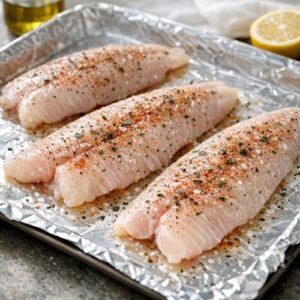
Step 3: Arrange and Season Your Fish (3 minutes)
- Place your four catfish fillets on the prepared baking pan in a single layer, spacing them about an inch apart so heat circulates evenly. Sprinkle the herb-spice mixture generously over both sides of each fillet. Don't be shy here—you want visible seasoning on top and bottom. This is where the visual magic happens: you'll see that warm, earthy herb crust forming. The fresh parsley you chopped earlier adds tiny flecks of green that catch the eye, signaling freshness.
Step 4: Create Your Finishing Butter Sauce (2 minutes)
- In a small bowl, combine your melted butter, freshly squeezed lemon juice, and garlic powder. Stir until completely blended—you want a cohesive sauce, not separated butter floating on top. The mixture should look like a silky, pale golden liquid. This is what creates that restaurant-quality shine and locks in moisture while the fish bakes.

Step 5: Apply the Finishing Sauce and Bake (15-20 minutes)
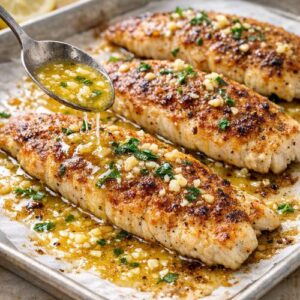
- Carefully drizzle the butter-lemon-garlic sauce over each fillet, dividing it evenly among the four pieces. You want enough that it pools slightly around the fish but doesn't make a huge puddle. Place the pan in your preheated 350-degree oven and set a timer for 15 minutes. At the 15-minute mark, check for doneness—the fish should flake easily when you gently press the thickest part with a fork. If it still looks translucent in the center, give it another 3-5 minutes. Properly cooked catfish will be completely opaque and flake into tender pieces.
Step 6: Rest and Finish (2 minutes)
- Remove the pan from the oven and let the fish rest for exactly 2 minutes. This allows the proteins to set fully and the exterior to develop that final beautiful texture. The residual heat continues cooking gently, ensuring your fish is perfectly moist inside with that crispy-edged herb crust. The pan juices will still be glistening and warm—this is the sauce that will accompany your fish to the plate.
Notes
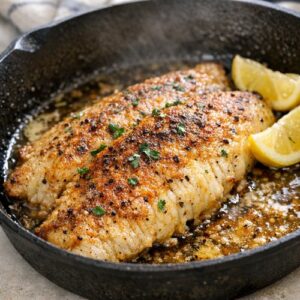
- Capture the Golden Hour Light - The best time to photograph this dish is during natural golden-hour light (early morning or late afternoon). Position your plate perpendicular to the window so light catches the glossy butter sauce and makes it shimmer. Harsh overhead light flattens the beautiful herb colors.
- Shoot from a 45-Degree Angle - This angle shows both the herb-crusted top and the delicate flake of the fish interior. Straight-down overhead shots lose the dimensional quality that makes this dish special. Slightly angled allows viewers to see the texture and layers.
- Include Context Props - Place a lemon wedge, fresh herb sprig, or simple linen napkin near the plate. These elements tell a story of thoughtful preparation without cluttering the composition. Props should complement, not compete.