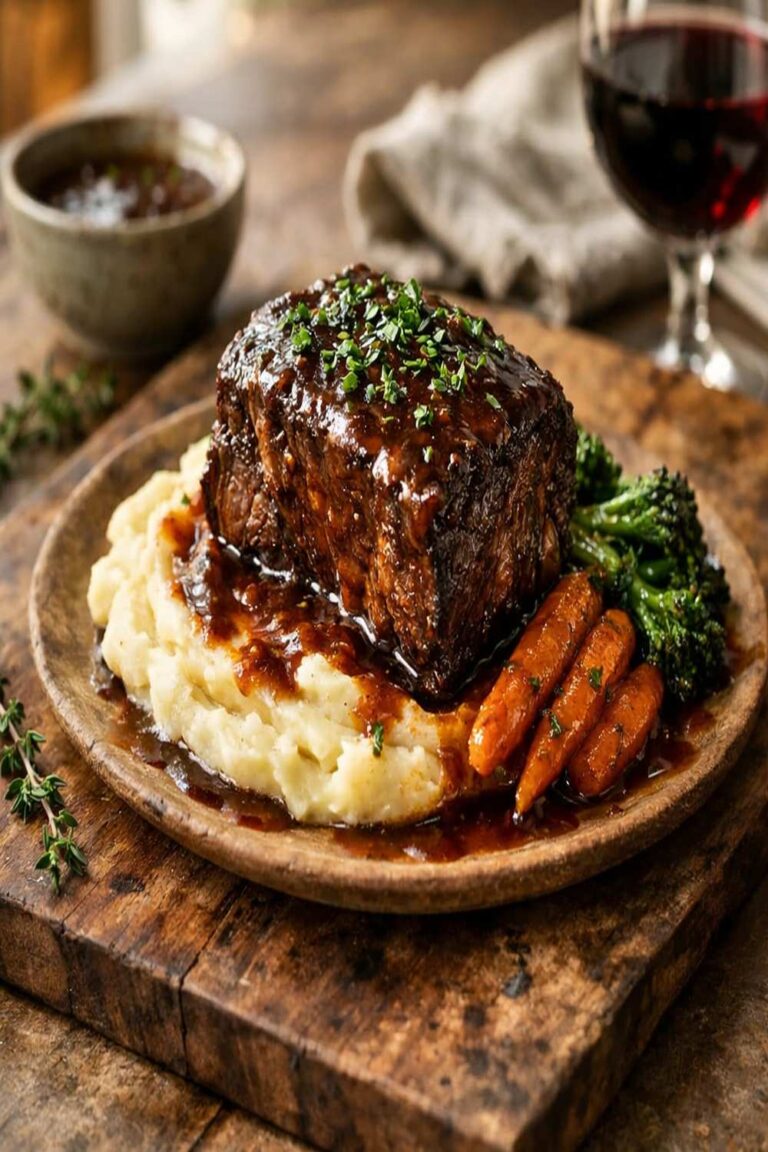
Beef Tongue Recipe
This post contains affiliate links. As an Amazon Associate I earn from qualifying purchases.
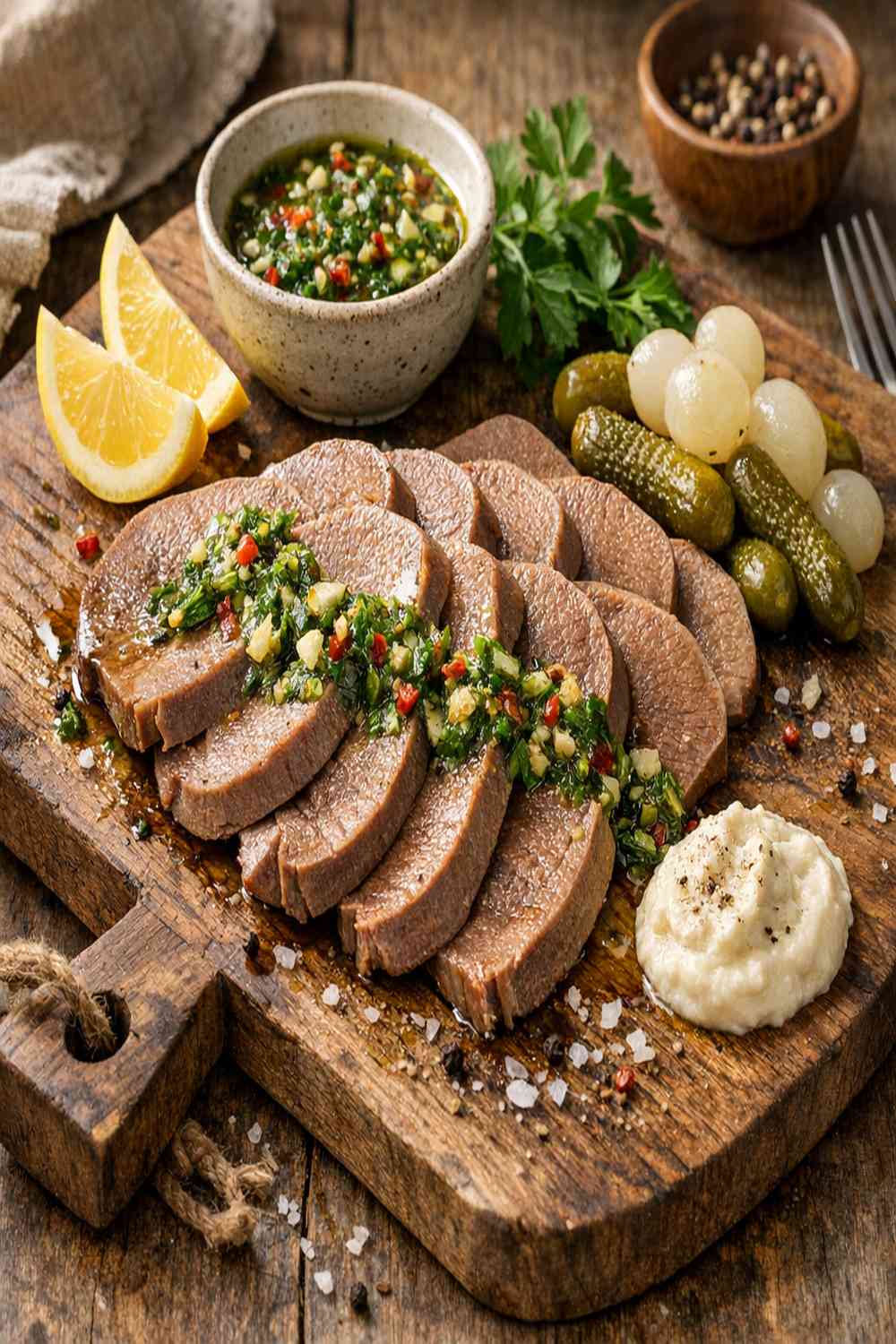
When I was growing up in Norwood, my grandmother would invite the extended family over for Sunday dinner, and somewhere between the laughter and the stories being passed around the table, a platter of beef tongue would make its appearance. I remember being hesitant at first—like many kids, I had questions about eating something so unfamiliar. But one bite of that tender, richly flavored meat in its savory mushroom sauce completely changed my perspective. This beef tongue recipe brings together the Old World traditions of European comfort cooking with modern nutritional wisdom, creating a dish that feels both ancestral and entirely approachable for today’s home cook.
If you’ve never cooked beef tongue before, I want to ease your mind right away: this recipe is stress-free, budget-friendly, and ready in about thirty minutes of active work. The tongue itself does most of the heavy lifting through a quick simmer, and the creamy mushroom sauce transforms this often-overlooked cut into something restaurant-quality. This is the kind of recipe I share with clients who want to expand their protein horizons without breaking the bank or spending all evening in the kitchen.
Why Beef Tongue Deserves a Spot on Your Table
Beef tongue is one of those beautiful examples of nose-to-tail eating that honors the whole animal while delivering incredible nutrition. As a registered dietitian, I see tremendous value in cuts like this because they’re packed with iron, B vitamins, and minerals that your body genuinely needs. Plus, the cost per pound is typically a fraction of premium steaks—which means you’re getting superior nutrition and flavor for less investment.
The texture of beef tongue is something special. When cooked properly, it becomes incredibly tender and has a subtle, delicate flavor that’s less intense than you might expect. The meat absorbs the broth and aromatics beautifully, creating that melt-in-your-mouth quality that makes people ask for seconds without knowing exactly what they’re eating.
This recipe also fits perfectly into a realistic weeknight dinner plan. You’ll spend about ten minutes on prep, fifteen minutes on cooking, and the rest is hands-off simmering while you handle other tasks. That’s the kind of practical efficiency that keeps me coming back to this dish week after week.
The Ingredients You’ll Need
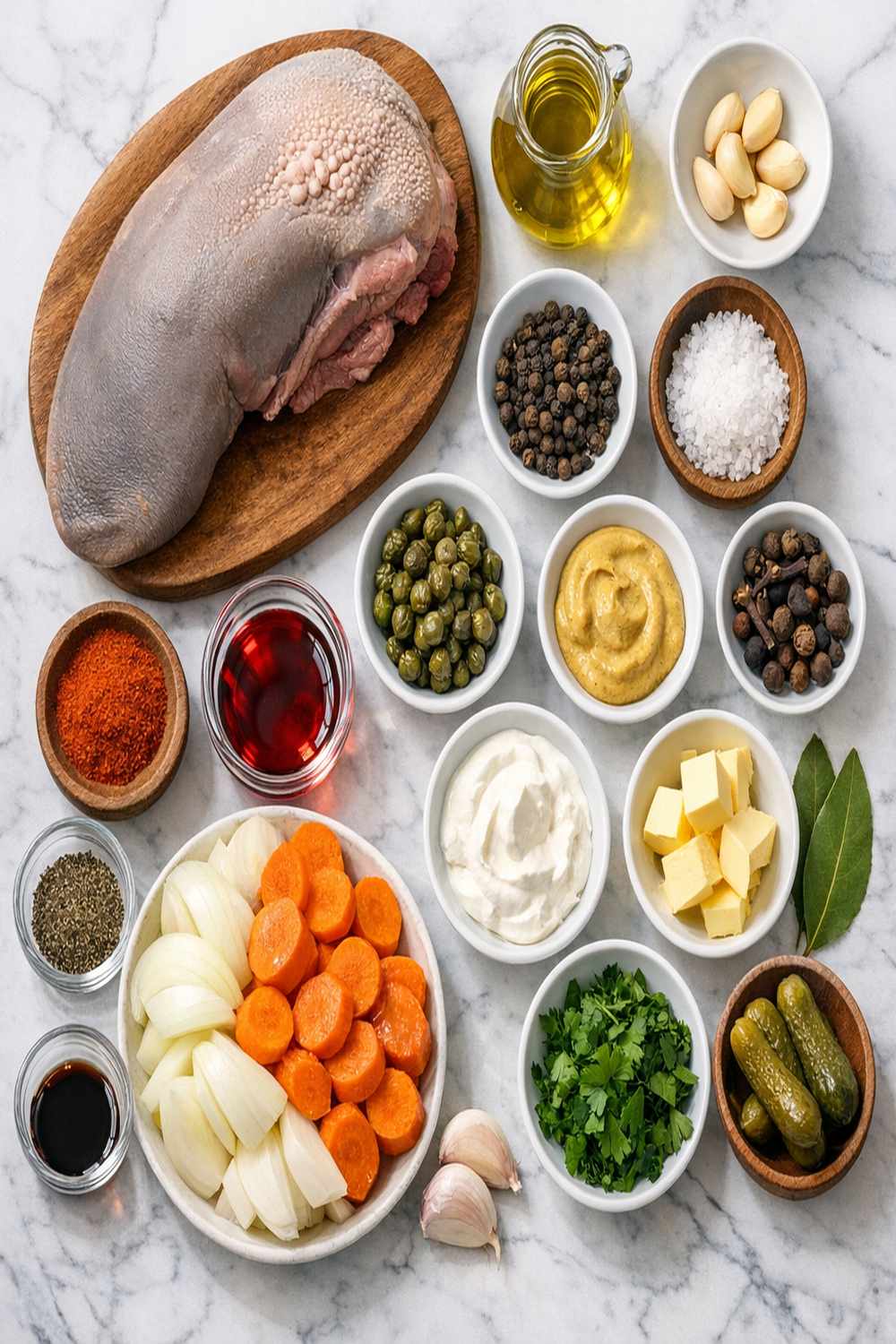
I’ve built this ingredient list around items you likely have in your pantry right now. There’s nothing exotic or hard to find here—just straightforward pantry staples and fresh produce that work together to create something memorable. I’ve included notes on each ingredient to help you understand exactly why it matters.
- 8 ounces mushrooms, sliced (about 3 cups; cremini or baby bella work beautifully)
- ½ teaspoon freshly ground black pepper (season toward the end for better flavor)
- 2 medium onions, chopped (about 8 ounces; builds the flavor foundation)
- 2 cups beef broth, unsalted or low-sodium (you control the salt level this way)
- 1 teaspoon Dijon mustard, optional (adds complexity to the sauce)
- 2 bay leaves (traditional aromatics that add subtle depth without overpowering)
- 1 teaspoon kosher salt (Diamond Crystal dissolves more evenly than other brands)
- 1 tablespoon cornstarch mixed with 2 tablespoons cold water (creates a silky sauce without cream)
- 1 teaspoon whole allspice berries (adds warmth and subtle sweetness to the broth)
- 1 teaspoon whole black peppercorns (fresher flavor than pre-ground pepper)
- 2 tablespoons unsalted butter (the base for sautéing your vegetables)
- 2 tablespoons fresh parsley, chopped (brightness and visual appeal)
- 1 beef tongue, about 2 to 3 pounds (the foundation of the dish; look for tongues that are firm and pinkish-red in color)
This recipe serves 4 people generously, with enough sauce to enjoy over egg noodles, mashed potatoes, or crusty bread. The yield is based on a standard 2 to 3-pound tongue, which is typical at most butcher counters and grocery stores.
How to Make This Beef Tongue Recipe
I’m going to walk you through this step-by-step, and I promise it’s simpler than it sounds. The key is starting with proper preparation, then letting the gentle heat do the work. Think of this as a conversation between you and the ingredient—you’re coaxing out the best version of itself through time and gentle technique.
Step 1: Prepare Your Beef Tongue
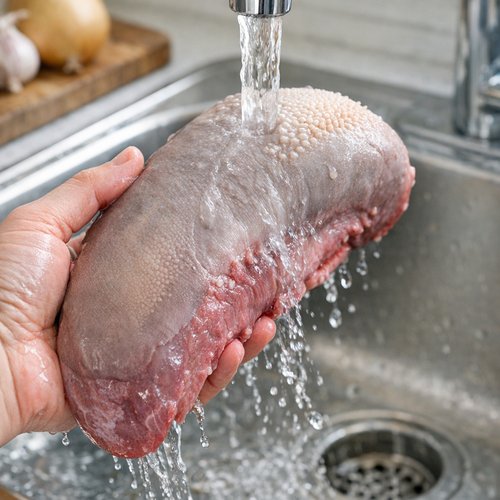
Remove your beef tongue from the refrigerator about 15 minutes before cooking—this helps it cook more evenly. Rinse it under cool running water and pat it completely dry with paper towels. This matters because moisture on the surface prevents browning. You might notice some discoloration or a thin membrane on the surface; this is completely normal and will rinse away easily. If there’s any visible fat or gristle on the underside, trim it gently with a sharp knife, but don’t worry about being perfect here.
Fill a large pot or Dutch oven with enough water to cover your tongue by about an inch. Add the bay leaves, whole black peppercorns, and allspice berries to the water. These aromatics are going to gently infuse the cooking liquid without overwhelming the delicate flavor of the tongue itself. Bring the water to a gentle simmer over medium-high heat—you want small bubbles breaking the surface, not a rolling boil, which can make the meat tough.
Step 2: Simmer the Tongue Until Tender
Once the water reaches a gentle simmer, carefully add your beef tongue. Reduce the heat to medium so the liquid maintains that gentle simmer throughout cooking. This is crucial—rushing this step with high heat will result in tougher meat. Cover the pot partially and let it cook for approximately 2 to 2.5 hours, depending on the size of your tongue.

You’ll know it’s done when a fork pierces the meat easily and there’s no resistance. The texture should be completely tender. Some of the outer membrane will naturally slough off during cooking, which is exactly what you want. Once it’s done, carefully remove the tongue to a cutting board and let it cool for about 5 minutes until you can handle it comfortably.
Here’s where the magic happens: while the tongue is still warm, gently peel away the outer layer of skin. It should come off easily in strips, almost like you’re undressing the meat. Don’t force it—if a section resists, just move on. Once peeled, slice the tongue against the grain into ¼-inch thick pieces. You’ll have roughly 1.5 to 2 pounds of usable meat.
Step 3: Build Your Mushroom Sauce Foundation
While your tongue is simmering, prepare your mushrooms and onions. Slice your mushrooms into ¼-inch thick pieces—not too thin, or they’ll disappear into the sauce. Chop your onions into small, bite-sized pieces. Having everything prepped and ready means you can move quickly once it’s time to build the sauce, which is the moment when everything comes together beautifully.
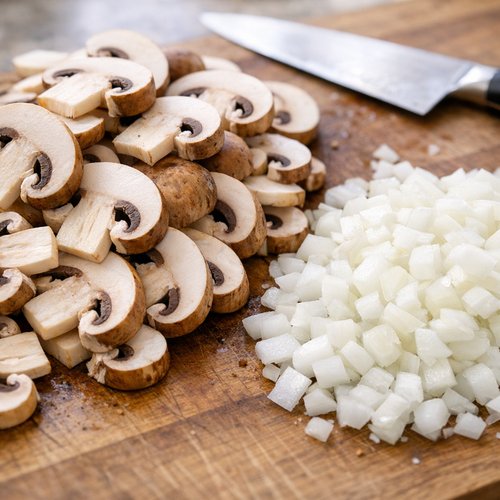
In a large, heavy skillet or shallow Dutch oven, melt your butter over medium heat. Once it’s foaming and smells wonderfully nutty (about 1 minute), add your chopped onions. Stir regularly for about 3 to 4 minutes until they’re softened and just beginning to turn golden at the edges. This creates a sweet, caramelized foundation for your sauce. Then add your sliced mushrooms and cook for another 4 to 5 minutes, stirring occasionally, until they release their moisture and begin to turn golden brown.
Step 4: Create the Braising Liquid
Pour your beef broth into the skillet with the mushrooms and onions. Stir well to combine. If you’re using that optional Dijon mustard (and I recommend it), whisk it in now—it adds a subtle tangy depth that makes people ask what the secret ingredient is. Bring the mixture to a gentle simmer. Taste the broth and season with your teaspoon of kosher salt and ½ teaspoon of freshly ground pepper. Remember, you’re building a balanced sauce that will coat your tender beef tongue, so season thoughtfully.

Step 5: Bring Everything Together
Add your sliced beef tongue to the mushroom sauce. Stir gently to coat every piece, and let everything simmer together for about 5 minutes. This allows the flavors to marry and the tongue to absorb the savory richness of the sauce. The meat should be completely submerged or mostly covered by the liquid—if it’s too dry, add a splash more broth.
In a small bowl, whisk your cornstarch with cold water until you have a smooth slurry with no lumps. Slowly pour this mixture into the simmering sauce while stirring constantly. Keep stirring for about 1 to 2 minutes as the sauce thickens. You’ll see it transform from thin and soupy to silky and luxurious—this is the moment where everything becomes restaurant-quality. The cornstarch doesn’t add any flavor; it simply creates a velvety texture that clings beautifully to the tender meat and vegetables.

Step 6: Finish with Fresh Brightness
Remove your skillet from the heat and stir in your freshly chopped parsley. Let the dish rest for about 2 minutes before serving. This resting period allows the flavors to settle and the temperature to become more comfortable for serving. Taste once more and adjust salt and pepper if needed—remember, you can always add more, but you can’t take it out.
Serve your beef tongue immediately over egg noodles, mashed potatoes, crusty bread, or even polenta. Pour that gorgeous mushroom sauce generously over everything. This is comfort food at its finest, and it’s entirely approachable for a weeknight dinner.
Expert’s Nutritional Tip: Why Beef Tongue Is Nutritional Gold
As a registered dietitian, I want to highlight something important about beef tongue that many people don’t realize: it’s one of the most nutrient-dense cuts of beef you can buy. A 3-ounce serving of cooked beef tongue contains approximately 25 grams of high-quality protein, 5 grams of fat, and zero carbohydrates. But here’s what makes it exceptional: it’s loaded with iron (especially the highly absorbable heme iron), selenium, zinc, and B vitamins—particularly B12 and niacin.
What excites me most is the choline content. Beef tongue is an outstanding source of choline, a nutrient that supports brain health, liver function, and muscle metabolism. Many people don’t get enough choline in their diet, and including tongue-based dishes regularly is one delicious way to address that gap. The collagen and gelatin released during the simmering process also supports joint and gut health—another reason why traditional societies have valued organ meats for generations.
Make-Ahead Guide: Preparing This Dish on Your Schedule
This recipe is beautifully flexible when it comes to meal prep. Here’s how I manage it based on my clients’ schedules:
- Simmer ahead: You can cook the tongue completely (through Step 2) up to 2 days in advance. Once peeled and sliced, store it in an airtight container in the refrigerator. The flavor actually improves slightly as it sits.
- Freeze for later: Cooked, sliced beef tongue freezes beautifully for up to 3 months. Freeze it in a single layer on a baking sheet first, then transfer to freezer bags. Thaw overnight in the refrigerator before reheating.
- Prep vegetables: Chop your mushrooms and onions up to 8 hours in advance. Store them in separate airtight containers to prevent the mushrooms from absorbing onion moisture.
- Full dish assembly: If you’ve cooked the tongue ahead, you can complete the entire recipe (sauce and all) up to 1 day in advance. Reheat gently over medium-low heat, adding a splash of broth if the sauce has thickened too much during storage.
Common Mistakes to Avoid
I’ve seen these missteps enough times to want to help you sidestep them entirely:
- Rushing the initial simmer: High heat during the tongue’s cooking time is the enemy of tenderness. Stick with that gentle simmer, even if it takes longer. Low and slow wins every time.
- Over-seasoning the braising liquid: Because you’re reducing the liquid and concentrating flavors, it’s easy to oversalt. Season conservatively initially, then taste and adjust at the very end.
- Skipping the cornstarch slurry: I understand the temptation to skip this step if you’re short on time, but this is what transforms the dish from good to spectacular. It takes literally two minutes and makes a visible difference.
- Cooking the mushrooms too fast: If your heat is too high when sautéing mushrooms, they’ll steam instead of browning, and you’ll miss out on that deep, caramelized flavor that makes the sauce sing.
Seasonal Variations: Adapting This Recipe Throughout the Year
This beef tongue recipe is wonderful year-round, but small adjustments make it feel fresh and seasonal:
- Spring version: Replace half the mushrooms with fresh asparagus, cut into 2-inch pieces. Add them during the last 5 minutes of cooking. Swap parsley for fresh tarragon for a brighter note.
- Summer version: Use cremini mushrooms (earthier) and add fresh thyme during cooking. Finish with lemon zest instead of parsley for brightness.
- Fall version: Add 1 cup of diced root vegetables (carrots, parsnips, or celeriac) to the sauce. A pinch of smoked paprika and sage complement the earthiness beautifully.
- Winter version: This is the version I’ve written here—it’s perfect as-is. Consider adding a splash of red wine or a teaspoon of tomato paste to deepen the flavors even further.
How to Customize the Flavor Profile
One of the beautiful things about this recipe is how forgiving it is. You can lean into different flavor directions based on what your family enjoys:
- More savory and umami-forward: Add 1 teaspoon of tomato paste when sautéing the mushrooms, and use a splash of red wine in place of some of the beef broth. Include a teaspoon of Worcestershire sauce if you have it.
- More delicate and European: Skip the Dijon mustard, use only butter (no oil), and finish with a squeeze of fresh lemon juice and additional fresh herbs like chives or dill.
- More warming and rustic: Add 1 teaspoon of smoked paprika, a bay leaf, and 1 teaspoon of fresh thyme to the sauce. This gives it a more robust, old-world feel.
What to Serve With Beef Tongue
The beauty of this dish is that it pairs wonderfully with so many sides. The rich, savory sauce calls for something that can balance it—either starches that absorb the sauce or vegetables that add brightness:
- Egg noodles or buttered pasta: This is my go-to choice. Wide egg noodles catch the sauce beautifully, and a simple butter finish ties everything together.
- Creamy mashed potatoes: The contrast between the tender meat, the mushroom sauce, and fluffy mashed potatoes is pure comfort. A pat of butter and fresh chives finish them perfectly.
- Crusty bread: If you want to keep things simple and lighter, thick-cut bread is perfect for soaking up every bit of that gorgeous sauce.
- Steamed or roasted vegetables: Tender green beans, roasted Brussels sprouts, or steamed broccoli add freshness and balance the richness of the dish.
- Simple green salad: A peppery arugula salad with lemon vinaigrette provides brightness and cuts through the richness beautifully.
If you’re looking for other beef-centered recipes that share this same comforting philosophy, my One Pot Beef Stew Recipe and 3 lb Brisket Recipe are wonderful companions to this dish. They all celebrate taking time-honored cuts and transforming them into something memorable for your family table.
Can I Store Beef Tongue?
Absolutely, and it actually stores beautifully. Here’s what I recommend:
- Refrigerator: Stored in an airtight container, your beef tongue and sauce will keep safely for 3 to 4 days. The flavors continue to develop during storage, so day-two leftovers often taste even better than the initial serving.
- Freezer: You can freeze this dish for up to 3 months. Freeze it in individual portions using airtight containers or freezer bags for easy reheating. Leave a little space at the top of containers—the liquid expands slightly as it freezes.
- Reheating: Thaw overnight in the refrigerator if frozen. Reheat gently over medium-low heat on the stovetop, adding a splash of broth if the sauce has thickened too much. You can also reheat in a 350°F oven, covered, for about 20 minutes.
Nutrition Information
Based on USDA nutrition data, a serving of this beef tongue with mushroom sauce (approximately 4 ounces of beef tongue plus sauce) contains roughly 280 calories, 25 grams of protein, 15 grams of fat, and 8 grams of carbohydrates. The iron content is significant—you’re getting about 3 milligrams per serving, which is substantial for anyone managing anemia or looking to optimize their iron intake.
The mushrooms contribute selenium (an important antioxidant), and the butter provides fat-soluble vitamins that help your body absorb nutrients from the meal. This isn’t a “diet food”—it’s genuine nourishment in its most delicious form. From my perspective as a registered dietitian, every element of this dish is there for a reason, supporting both flavor and your body’s nutritional needs.

Beef Tongue Recipe
Ingredients
Method
- Remove your beef tongue from the refrigerator about 15 minutes before cooking—this helps it cook more evenly. Rinse it under cool running water and pat it completely dry with paper towels. This matters because moisture on the surface prevents browning. You might notice some discoloration or a thin membrane on the surface; this is completely normal and will rinse away easily. If there's any visible fat or gristle on the underside, trim it gently with a sharp knife, but don't worry about being perfect here. Fill a large pot or Dutch oven with enough water to cover your tongue by about an inch. Add the bay leaves, whole black peppercorns, and allspice berries to the water. These aromatics are going to gently infuse the cooking liquid without overwhelming the delicate flavor of the tongue itself. Bring the water to a gentle simmer over medium-high heat—you want small bubbles breaking the surface, not a rolling boil, which can make the meat tough.

- Once the water reaches a gentle simmer, carefully add your beef tongue. Reduce the heat to medium so the liquid maintains that gentle simmer throughout cooking. This is crucial—rushing this step with high heat will result in tougher meat. Cover the pot partially and let it cook for approximately 2 to 2.5 hours, depending on the size of your tongue. You'll know it's done when a fork pierces the meat easily and there's no resistance. The texture should be completely tender. Some of the outer membrane will naturally slough off during cooking, which is exactly what you want. Once it's done, carefully remove the tongue to a cutting board and let it cool for about 5 minutes until you can handle it comfortably. Here's where the magic happens: while the tongue is still warm, gently peel away the outer layer of skin. It should come off easily in strips, almost like you're undressing the meat. Don't force it—if a section resists, just move on. Once peeled, slice the tongue against the grain into ¼-inch thick pieces. You'll have roughly 1.5 to 2 pounds of usable meat.

- While your tongue is simmering, prepare your mushrooms and onions. Slice your mushrooms into ¼-inch thick pieces—not too thin, or they'll disappear into the sauce. Chop your onions into small, bite-sized pieces. Having everything prepped and ready means you can move quickly once it's time to build the sauce, which is the moment when everything comes together beautifully. In a large, heavy skillet or shallow Dutch oven, melt your butter over medium heat. Once it's foaming and smells wonderfully nutty (about 1 minute), add your chopped onions. Stir regularly for about 3 to 4 minutes until they're softened and just beginning to turn golden at the edges. This creates a sweet, caramelized foundation for your sauce. Then add your sliced mushrooms and cook for another 4 to 5 minutes, stirring occasionally, until they release their moisture and begin to turn golden brown.

- Pour your beef broth into the skillet with the mushrooms and onions. Stir well to combine. If you're using that optional Dijon mustard (and I recommend it), whisk it in now—it adds a subtle tangy depth that makes people ask what the secret ingredient is. Bring the mixture to a gentle simmer. Taste the broth and season with your teaspoon of kosher salt and ½ teaspoon of freshly ground pepper. Remember, you're building a balanced sauce that will coat your tender beef tongue, so season thoughtfully.

- Add your sliced beef tongue to the mushroom sauce. Stir gently to coat every piece, and let everything simmer together for about 5 minutes. This allows the flavors to marry and the tongue to absorb the savory richness of the sauce. The meat should be completely submerged or mostly covered by the liquid—if it's too dry, add a splash more broth. In a small bowl, whisk your cornstarch with cold water until you have a smooth slurry with no lumps. Slowly pour this mixture into the simmering sauce while stirring constantly. Keep stirring for about 1 to 2 minutes as the sauce thickens. You'll see it transform from thin and soupy to silky and luxurious—this is the moment where everything becomes restaurant-quality. The cornstarch doesn't add any flavor; it simply creates a velvety texture that clings beautifully to the tender meat and vegetables.

- Remove your skillet from the heat and stir in your freshly chopped parsley. Let the dish rest for about 2 minutes before serving. This resting period allows the flavors to settle and the temperature to become more comfortable for serving. Taste once more and adjust salt and pepper if needed—remember, you can always add more, but you can't take it out. Serve your beef tongue immediately over egg noodles, mashed potatoes, crusty bread, or even polenta. Pour that gorgeous mushroom sauce generously over everything. This is comfort food at its finest, and it's entirely approachable for a weeknight dinner.
Notes
FAQs
Is beef tongue gamey or unpleasant tasting?
Not at all. Beef tongue has a mild, delicate flavor that’s actually quite subtle. It’s nothing like liver, which is what many people fear. The taste is closer to tender beef brisket—rich and savory without being overwhelming. The mushroom sauce actually complements the tongue’s natural flavor beautifully rather than masking it. I’ve served this to people who were nervous, and without exception, they ask for the recipe.
Can I use frozen beef tongue?
Yes, absolutely. If you’re using frozen tongue, thaw it completely in the refrigerator overnight before cooking. Pat it dry before simmering. The cooking time and technique remain exactly the same. I actually prefer buying tongue frozen because it’s often more affordable and easier to find at certain times of year.
What if I can’t find beef tongue at my regular grocery store?
Most butcher counters can order it for you if you ask—typically with 24 to 48 hours notice. Many specialty markets, Asian grocers, and Latin markets carry it regularly. If you absolutely can’t find tongue, you could substitute beef brisket or chuck roast, though the texture will be slightly different. The cooking time might be slightly shorter, so test for tenderness around the 1.5-hour mark.
Can I make this in a slow cooker?
Yes! This is actually wonderful in a slow cooker if you’re working with a busy schedule. Simmer the tongue in water with aromatics on low for 6 to 8 hours (or high for 3 to 4 hours). Complete Steps 3 through 6 on the stovetop while the tongue is cooking, then combine everything at the end. The final result is equally tender and delicious.
Why does the recipe call for whole spices instead of ground?
Whole spices release their flavor more gradually and don’t become bitter the way ground spices can during prolonged cooking. Plus, they’re easy to remove from the braising liquid before serving. If you only have ground spices on hand, you can use them—just use about half the amount and strain the broth at the end to catch any sediment.
More Beef and Comfort Food Recipes to Explore
- Easy Meatloaf – A classic that brings the same nostalgic comfort to your weeknight dinner rotation
- Steak on the Stovetop – For when you want something elegant but equally simple and straightforward
- my weeknight pasta – Another budget-friendly way to turn humble ingredients into something memorable
- Easy Shepherd’s Pie With Ground Beef – The ultimate comfort dish that shares this recipe’s philosophy of affordable elegance
As I reflect on my grandmother’s Sunday dinners and the way that beef tongue has remained part of my family’s table across generations, I’m reminded that food is so much more than what’s on the plate. It’s connection. It’s trust. It’s the willingness to try something unfamiliar because someone you love is serving it to you. This beef tongue recipe carries all of that forward—it’s traditional without being pretentious, nourishing without being complicated, and elegant without requiring a culinary degree.
When you bring this dish to your family table, you’re not just serving dinner. You’re honoring a tradition of nose-to-tail eating, supporting sustainable food practices, and creating a moment where people gather, eat well, and remember why family meals matter. That’s what cooking means to me, and it’s what I hope this recipe brings to your home.
Take care with love and flavor!
META DESCRIPTION: Easy beef tongue recipe with creamy mushroom sauce, ready in 30 minutes of active time. Budget-friendly, tender, and packed with nutrients.