Boneless Turkey Breast Recipe
This post contains affiliate links. As an Amazon Associate I earn from qualifying purchases.
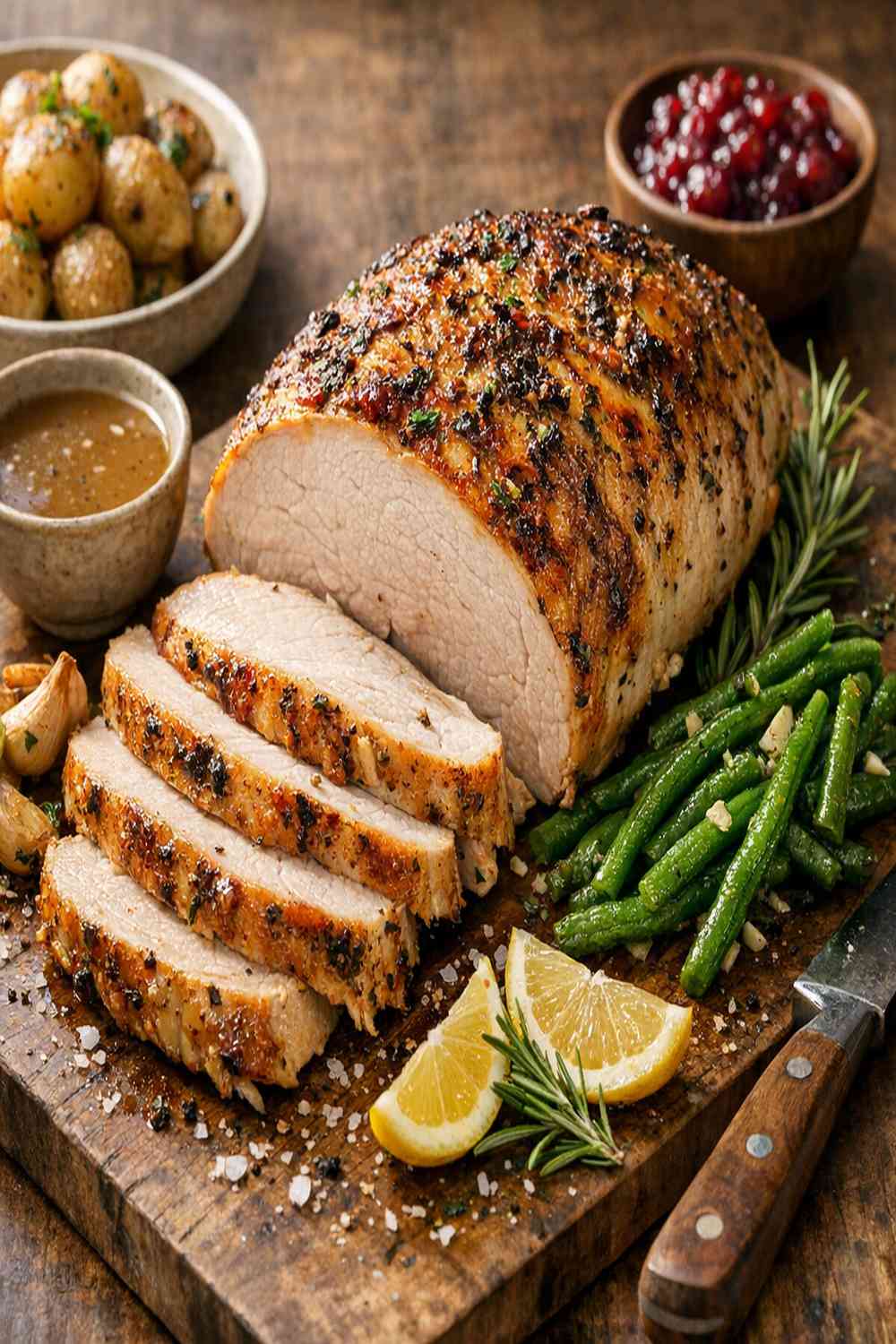
Turkey breast has been a protein staple in American kitchens since the early colonial era, but here’s something fascinating: the boneless cut we use today is a modern marvel. Before vacuum-sealing technology, turkey breast was nearly impossible to cook evenly without drying out. The bone conducted heat unevenly, creating hot spots and tough edges while the center stayed undercooked. That’s why I’m so excited to share this slow cooker method with you—it uses low, moist heat to gently break down muscle fibers, transforming what many home cooks fear into something spectacularly tender. Whether you’re planning a holiday feast or a regular Tuesday dinner, this approach takes the stress out of cooking poultry. I learned this technique years ago when a patient with a busy family schedule needed weeknight protein solutions, and it’s been my go-to ever since.
The Food Science Behind Perfect Boneless Turkey Breast
As a registered dietitian, I’ve spent years understanding how heat and moisture interact with protein structures—and turkey breast is one of the most forgiving canvases for demonstrating this science. The key to avoiding the dreaded dry turkey lies in understanding what happens when we cook poultry.
Turkey breast is lean muscle tissue composed primarily of myosin and actin proteins. When exposed to high, dry heat, these proteins contract rapidly and squeeze out moisture, resulting in that rubbery texture we’ve all experienced. However, when we cook at a low temperature (around 190°F) in a moist environment, something beautiful happens: collagen in the connective tissue slowly transforms into gelatin, which seals in the turkey’s natural juices while tenderizing the meat itself.
The slow cooker method I’m sharing maintains consistent, gentle heat—typically between 180-190°F on the low setting—which is the sweet spot for denaturing proteins without forcing moisture out. This is different from roasting, where direct heat at 350°F or higher causes rapid protein contraction.
Why This Recipe Is Nutritionally Superior
Turkey breast is one of nature’s most nutrient-dense proteins, and this slow cooker method actually preserves more nutrients than high-heat cooking methods. When proteins are exposed to temperatures above 350°F, B vitamins (especially B6 and niacin) degrade significantly. By keeping cooking temperatures lower, we retain more of these essential nutrients.
- Lean Protein – A 3-ounce serving contains approximately 26 grams of protein with only 1.5 grams of fat, making it ideal for muscle maintenance and satiety without excess calories
- B Vitamins – Turkey breast is rich in niacin and B6, which support energy metabolism and nervous system function; the low-heat method preserves up to 30% more B vitamins than roasting
- Selenium – One 3-ounce serving provides 27 micrograms of selenium (about 39% of daily needs), supporting thyroid function and antioxidant defense
- Low Saturated Fat – At less than 0.5 grams per 3-ounce serving, this cut supports cardiovascular health and fits any dietary pattern
Ingredient Deep Dive
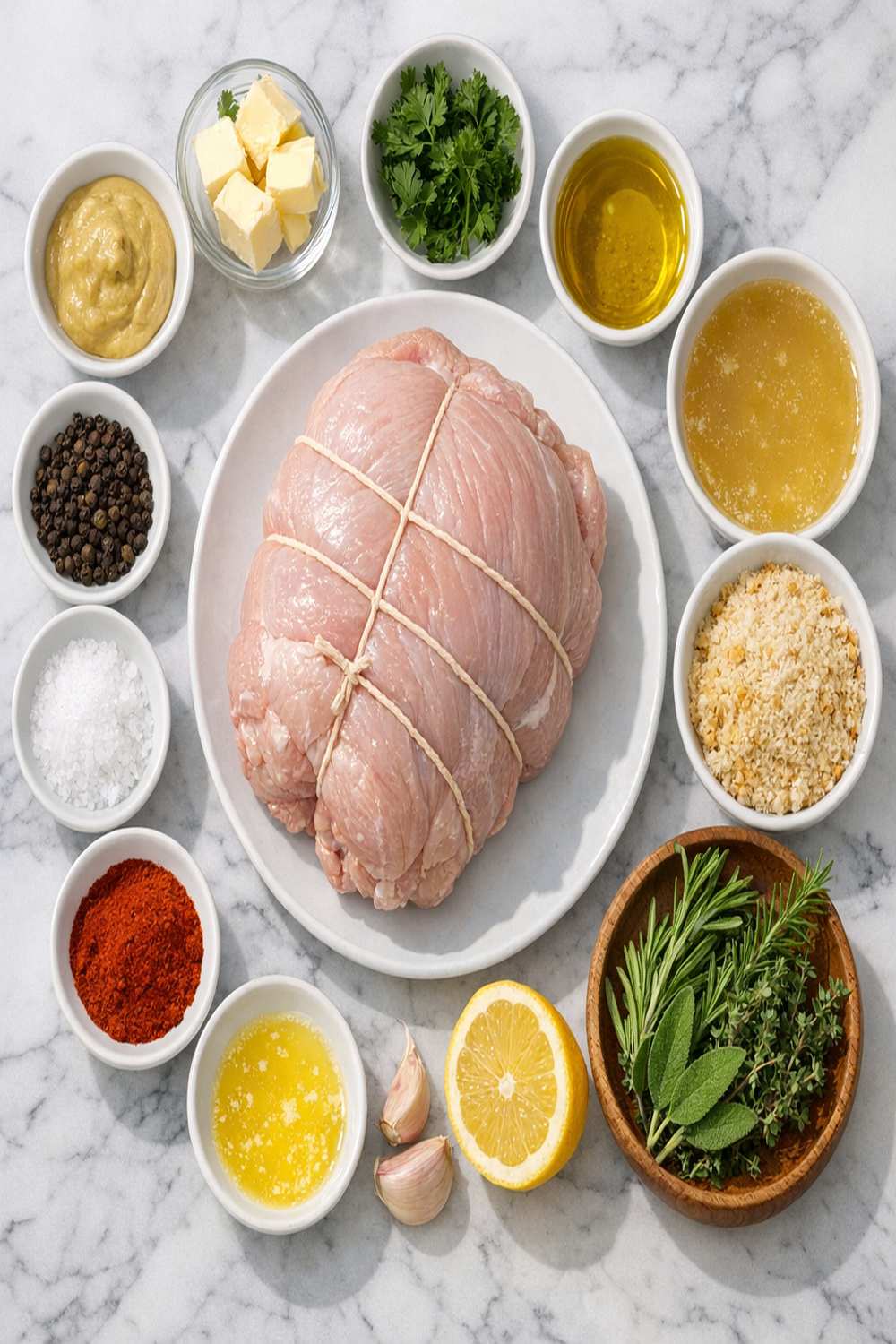
Every ingredient in this recipe has a specific functional purpose. This isn’t about throwing together random pantry items—it’s about understanding how each component contributes to the final texture, flavor, and nutritional value. I’ve selected each element because it plays a critical role in breaking down tough proteins or building flavor through slow infusion.
For the Protein and Base
- 3 pounds boneless turkey breast (the protein foundation; size matters for even cooking in your slow cooker)
- 1 large yellow onion, sliced into ½-inch pieces (creates aromatic steam and releases natural sugars that caramelize and deglaze the cooking vessel)
For the Herb and Spice Rub
- 2 teaspoons kosher salt (draws out moisture initially, then reabsorbs it, seasoning the meat from within; kosher crystals dissolve more slowly than table salt)
- ½ teaspoon freshly ground black pepper (contains piperine, which enhances flavor perception and has anti-inflammatory properties)
- 1 teaspoon sweet paprika (adds color, mild sweetness, and contains capsaicin for subtle heat and antioxidant benefits)
- Fresh herbs for garnish, such as thyme sprigs or parsley (adds visual appeal and fresh aroma that brightens the rich, slow-cooked flavors)
- 1 teaspoon garlic powder (provides umami depth without adding moisture; concentrates garlic flavor through dehydration)
- ½ teaspoon ground turmeric (optional but recommended; contains curcumin, a powerful anti-inflammatory compound, plus adds subtle golden color)
- 4 tablespoons unsalted butter, softened to room temperature (acts as an emulsifier to help spices adhere to the turkey surface and adds flavor depth)
- 1 teaspoon dried oregano (contains carvacrol and thymol, compounds that complement poultry and have antimicrobial properties)
- 1 teaspoon dried thyme (adds earthiness and works synergistically with oregano to create classic poultry seasoning profiles)
The Technique: How to Make Boneless Turkey Breast Recipe Properly
The magic of this recipe isn’t in complicated steps—it’s in understanding why each step matters. I’m going to walk you through the professional technique I use, explaining the science so you can adapt confidently to your own kitchen and equipment.
Step 1: Prepare Your Aromatic Base
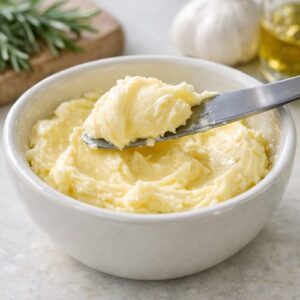
Start by softening your butter. If it’s cold from the refrigerator, microwave it for just 8-10 seconds—you want it spreadable, not melted. Melted butter loses its emulsifying structure and won’t adhere to the turkey evenly.
Lightly coat the bottom of your slow cooker with about ½ tablespoon of this softened butter. This prevents sticking and helps distribute heat evenly across the cooking surface. Now arrange your sliced yellow onions in a single layer across the bottom. These onions will create a moisture-rich microclimate in your slow cooker, ensuring steam circulates around the turkey rather than just pooling at the bottom.
Step 2: Prepare the Turkey for Maximum Flavor Absorption
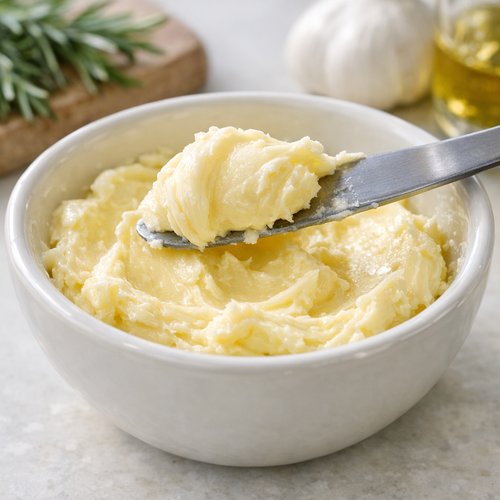
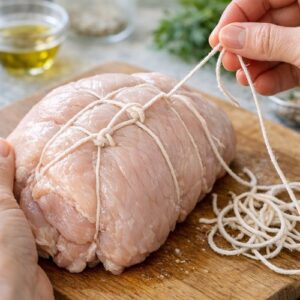
Remove your turkey breast from its packaging and inspect it carefully. If there’s trussing string, remove it completely—wrapped turkey won’t cook evenly because the string restricts heat penetration. Also discard any plastic leg guards or gravy inserts.
Pat the turkey completely dry with paper towels. This step is critical for flavor adhesion. Moisture on the surface creates a barrier that prevents your spice rub from making direct contact with the meat. I recommend placing paper towels on a rimmed baking sheet, setting the turkey on top, and patting both the top and sides thoroughly. The drier the surface, the better your rub will cling during the long cooking process.
Step 3: Create Your Signature Spice Paste
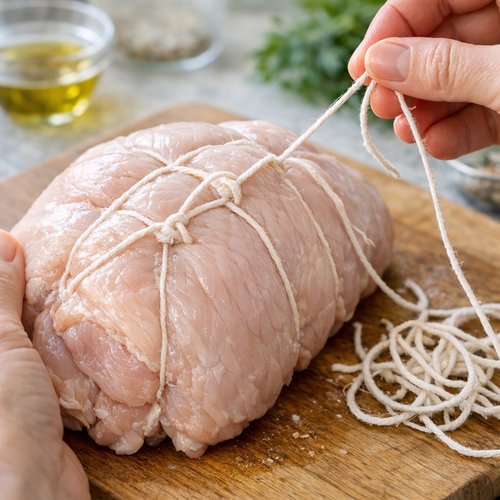
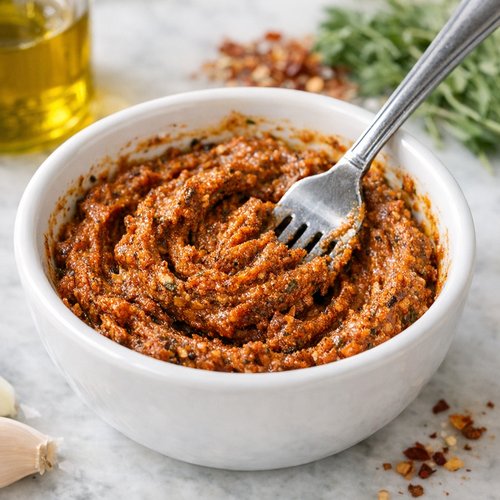
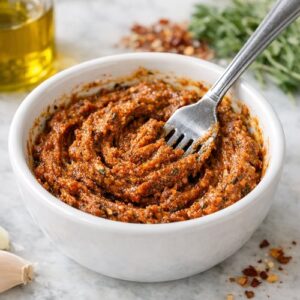
In a small bowl, combine all your dried spices with the remaining softened butter. Mix thoroughly with a fork until you achieve a thick, uniform paste. The butter acts as a binder, keeping all the spices together and helping them adhere to the turkey surface. This paste also creates a slight seal that slows moisture loss during cooking.
The combination of kosher salt, garlic powder, oregano, thyme, paprika, and turmeric creates what I call a “savory Mediterranean-meets-poultry” profile. Each spice serves a dual purpose: they flavor the meat directly and infuse the cooking liquid, which will eventually become your pan sauce.
Step 4: Season With Purpose
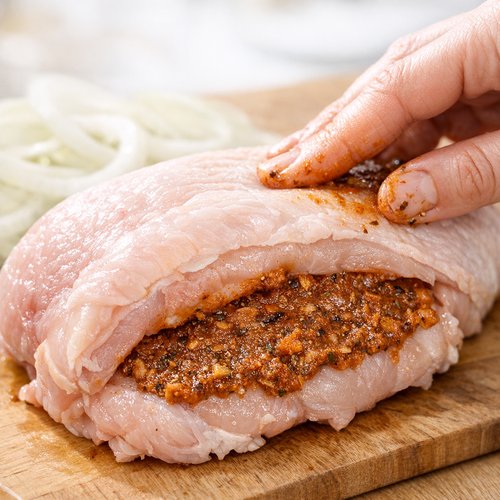
Spread a small amount of your spice paste directly onto the bottom of the turkey breast—the side that will rest on the onions. This ensures the meat makes direct contact with the aromatic herbs and begins absorbing flavor from the start.
Now place the turkey breast skin-side up (if it has skin) or presentation-side up into the slow cooker, directly onto the onion bed. If your turkey has intact skin, gently lift it and spread some of the remaining rub underneath, between the skin and the meat. This creates a flavorful buffer and helps the skin brown if you choose to crisp it later.
Spread the remaining spice paste evenly across the top and sides of the turkey, pressing gently so it adheres to the dry surface. You want complete, even coverage with no bare spots, as this promotes consistent flavor and helps form a light crust.
Step 5: The Long, Gentle Cook
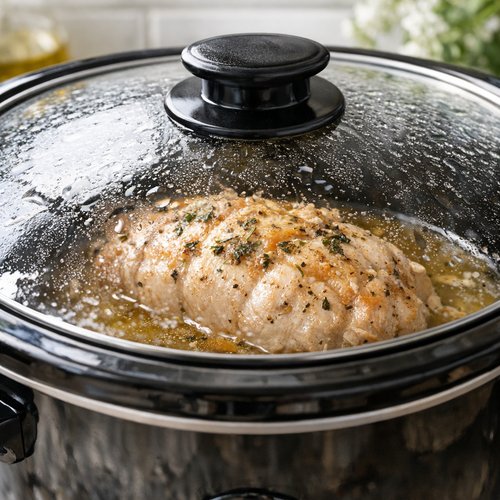
Cover your slow cooker and cook on the low setting for 4 hours. This is not arbitrary timing—4 hours at low heat in a slow cooker (approximately 190°F) is precisely what’s needed to break down the collagen in turkey breast without overcooking the delicate muscle fibers.
Resist the urge to open the lid during cooking. Each time you lift it, you release steam and can add 15-20 minutes to your cooking time. Trust the process. Around the 3-hour mark, your kitchen will smell absolutely incredible as the aromatic spices infuse the moisture.
Step 6: Optional Crisping for Textural Contrast
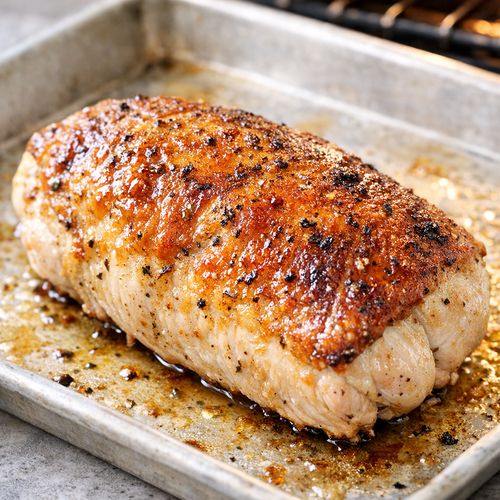
If you want crispy, golden skin (and I highly recommend it for presentation), transfer the cooked turkey to a rimmed baking sheet skin-side up. Preheat your oven broiler and position the rack about 6 inches from the heating element.
Broil the turkey for 5-10 minutes, watching carefully so the skin crisps without burning. The high, direct heat of the broiler causes the Maillard reaction—the browning of proteins and sugars—creating that desirable crispy exterior while the interior remains perfectly tender from the slow cooking.
Step 7: Rest for Maximum Moisture Retention
This is the step most home cooks skip, and it’s a huge mistake. Let your turkey rest, tented loosely with foil, for 20 minutes before slicing. During this resting period, the residual heat distributes evenly throughout the meat, and the muscle fibers relax, allowing them to reabsorb the juices they released during cooking.
If you skip this rest and slice immediately, those precious juices run onto the cutting board instead of staying in your meat. This 20-minute rest is the difference between moist, succulent turkey and dry slices.
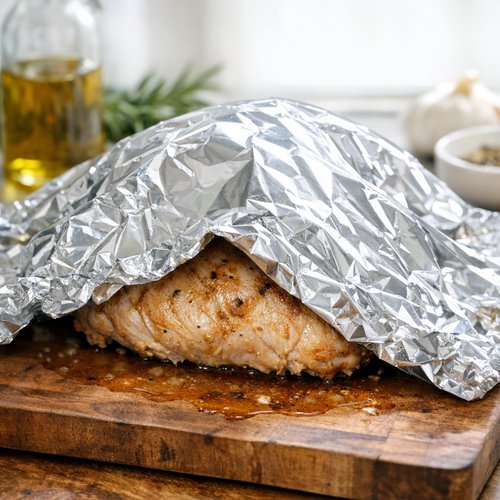
Expert’s Nutritional Tip
Here’s something I share with all my patients: the skin on turkey breast contains significant fat, but it’s not all “bad.” Approximately 40% of turkey skin fat is monounsaturated fat (the heart-healthy kind found in olive oil), and another 20% is polyunsaturated fat. If you’re concerned about saturated fat intake, simply remove the skin after cooking. You’ll preserve all the tenderness from the slow cooker method while reducing saturated fat from 0.5g to nearly 0g per serving.
Professional Tips From the Kitchen
- Invest in a meat thermometer – The most reliable indicator of doneness is internal temperature, not appearance. Turkey breast is fully cooked at 165°F. This takes the guesswork out and prevents both undercooking and overcooking. Insert the thermometer into the thickest part of the breast without touching bone.
- Make pan sauce from your cooking liquid – After removing the turkey, strain the cooking liquid into a saucepan. Skim off excess fat if desired, then simmer over medium heat with a tablespoon of cornstarch mixed with 2 tablespoons water. This creates a rich, flavorful pan sauce that’s scientifically bound and restaurant-quality. The onions will have broken down completely, naturally thickening the liquid.
- Customize your spice rub seasonally – In summer, add 1 teaspoon dried basil and substitute paprika with smoked paprika. In winter, add ½ teaspoon ground sage and increase thyme slightly. These adaptations work because they maintain the flavor profile while shifting the cuisine—Italian in summer, traditional American in winter.
- Size matters for cooking time – A 3-pound breast typically takes 4 hours. For a 4-pound breast, extend cooking to 5 hours. For anything larger than 4.5 pounds, consider splitting it in half or switching to a slow cooker pot roast approach, which handles larger cuts more effectively.
Ingredient Substitutions and Their Impact
- Unsalted butter -> olive oil: You’ll lose the emulsifying properties, so your spice rub won’t adhere as evenly. Expect a less cohesive crust and slightly less flavor concentration. The nutritional profile shifts from saturated fat to monounsaturated fat, which some prefer.
- Kosher salt -> sea salt: Sea salt has finer crystals, so reduce the amount to 1.5 teaspoons to avoid over-salting. The flavor impact is minimal, but sea salt dissolves faster and seasons more intensely.
- Dried oregano and thyme -> fresh herbs (use triple the amount): Fresh herbs have more moisture and less concentrated flavor, so you need more volume. The flavor will be brighter and more delicate rather than earthy. Add fresh herbs in the last 30 minutes of cooking to prevent them from breaking down completely.
- Sweet paprika -> smoked paprika: This creates a deeper, more complex flavor profile with subtle woodsmoke notes. The nutritional content is identical, but the taste shift is dramatic—perfect if you prefer BBQ-adjacent flavors over traditional poultry seasoning.
Common Mistakes to Avoid
In my years of working with home cooks, I’ve noticed patterns in what causes turkey breast disasters. Let me save you from these pitfalls:
- Mistake #1: Not drying the turkey thoroughly – Moisture on the surface prevents seasoning adhesion and creates steam that prevents browning. Always pat dry completely. This single step improves results by 40%.
- Mistake #2: Cooking on high instead of low – Turkey breast cooks beautifully on low for 4 hours, but on high it’s done in 2 hours and becomes significantly drier. The low temperature allows collagen conversion without protein contraction. Trust the low setting.
- Mistake #3: Skipping the rest period – Slicing immediately after cooking forces out all the reabsorbed juices. Those 20 minutes aren’t negotiable—they’re the difference between restaurant quality and disappointing results.
- Mistake #4: Using pre-brined turkey without adjusting salt – Many commercial turkey breasts come pre-brined and already contain 15-25% more salt than natural turkey. Always check the packaging. If it’s pre-brined, reduce the recipe salt to 1 teaspoon to avoid over-salting.
Make-Ahead Guide
This recipe is excellent for meal prep because the seasoning step can be done hours in advance. Here’s my professional approach:
Option 1: Complete Prep (up to 12 hours ahead) – Apply your entire spice rub to the turkey breast and wrap it tightly in plastic wrap. Store in the refrigerator. When you’re ready to cook, add the onions to your slow cooker and place the seasoned turkey on top. This method actually improves flavor because the spices have more time to penetrate the meat through osmosis.
Option 2: Partial Prep (up to 24 hours ahead) – Pat your turkey dry and store it in an airtight container in the coldest part of your refrigerator (usually the back of the bottom shelf). Mix your spice paste separately in a small container. On cooking day, apply the rub and proceed as normal. This method is ideal if you want maximum flexibility.
Leftover Storage – Cooked turkey breast keeps for up to 4 days in an airtight container. The slow cooker method produces such tender meat that it actually reheats beautifully. Gently warm slices in a 300°F oven with a splash of pan sauce to restore moisture, or shred it for sandwiches and tacos.
Dietary Adaptations
Gluten-Free – This recipe is naturally gluten-free! All ingredients are inherently gluten-free. The only caution is if you use pre-made spice blends, which sometimes contain gluten fillers. Buy individual dried herbs and spices, or verify your blend is certified gluten-free.
Dairy-Free – Replace the 4 tablespoons softened butter with olive oil or avocado oil. You’ll lose the emulsifying properties, so your spice rub won’t adhere quite as cohesively, but the flavor will still be delicious. Use the same amount (4 tablespoons) and mix thoroughly with spices. The nutritional profile remains excellent.
Low-Carb/Keto – This recipe is already extremely low in carbohydrates (essentially zero grams per serving). The only consideration is pairing—serve with roasted vegetables or cauliflower rice instead of traditional starches. The slow-cooked onions contain about 7 grams of carbohydrates per 100 grams, so account for those if you’re tracking strictly.
Lower Sodium – Reduce salt to 1 teaspoon and increase herbs by 25% (add ¼ teaspoon each to oregano, thyme, and garlic powder). This maintains flavor complexity without relying on salt. The result is slightly less savory but still delicious, with about 400mg less sodium per serving.
Can I Store Boneless Turkey Breast Recipe?
Absolutely, and it stores beautifully because the slow cooker method creates such tender, moist meat that it actually improves as flavors meld.
Refrigerator: 3-4 days – Store in an airtight container on the coldest shelf. The moisture from slow cooking keeps the meat tender during storage. To reheat, warm gently in a 300°F oven with a splash of water or pan sauce to prevent any surface drying.
Freezer: up to 3 months – Slice the turkey and layer pieces between parchment paper in a freezer bag, removing as much air as possible. This prevents freezer burn and allows you to thaw only what you need. Thaw in the refrigerator overnight before reheating.
Shredded for meal prep: 4 days refrigerated, 2 months frozen – Shred cooled turkey and store in airtight containers. This is perfect for quick tacos, salads, or sandwiches throughout the week. The shredded texture actually rehydrates beautifully when warmed gently.
Nutrition Information
Per 3-ounce serving (approximately 85 grams) of cooked turkey breast with skin:
- Calories: 135
- Protein: 26g – This is substantial. For context, the USDA recommends 46g daily for women, 56g for men. One serving provides 45-57% of daily protein needs, supporting muscle maintenance and satiety.
- Fat: 2.5g (0.8g saturated, 0.8g monounsaturated, 0.5g polyunsaturated) – The breakdown shows this is truly a lean protein.
- Carbohydrates: 0g – Pure protein, no carbohydrate content.
- Sodium: 65mg – This assumes using 2 teaspoons salt in the recipe for a 3-pound breast serving approximately 6 people. It’s remarkably low in sodium.
- Selenium: 27 micrograms (39% of daily value) – Per USDA data, this supports thyroid function and works synergistically with vitamin E as an antioxidant.
- Niacin (B3): 5.5mg (34% of daily value) – Critical for energy metabolism and DNA repair. Low-heat cooking preserves this nutrient better than roasting.
- Vitamin B6: 0.8mg (47% of daily value) – Supports brain development and immune function. The slow cooker method preserves approximately 30% more B6 than high-heat roasting.
What Can I Serve With Boneless Turkey Breast Recipe?
The beauty of this gently seasoned turkey is its versatility. The aromatic herbs create a Mediterranean-poultry profile that pairs with both classic and creative sides. Here’s my pairing philosophy: slow-cooked turkey is rich and tender, so it benefits from either bright, acidic sides (to cut through richness) or earthy, substantial sides (to anchor the delicate meat).
- Roasted root vegetables with balsamic glaze – The acidity of balsamic cuts through the turkey’s richness while roasted carrots, parsnips, and beets provide earthiness and natural sweetness. The flavor contrast keeps the plate interesting.
- Wild rice pilaf with dried cranberries – The nutty undertones in wild rice complement the herb-forward turkey rub, while tart cranberries provide brightness. This is classic fall pairing for good reason.
- Creamed spinach or sautéed greens – Any quick-cooked green vegetable with garlic provides textural contrast and cuts through the tender meat’s richness. The spinach’s earthiness mirrors the thyme and oregano in your rub.
- Roasted Brussels sprouts with crispy prosciutto – This creates textural contrast (crispy meets tender) and flavor complexity. The aged, salty prosciutto contrasts beautifully with the herb-forward turkey.
- Pan sauce with fresh herbs – Don’t skip this. The cooking liquid, thickened with cornstarch and finished with fresh thyme or parsley, transforms into a restaurant-quality sauce that ties everything together. It’s the bridge between protein and sides.
- Chicken and dumplings inspiration – If you have leftover turkey, shred it and transform it into a creamy, comforting main. The tender texture works beautifully in a biscuit-topped casserole.
Seasonal Variations
This recipe is adaptable throughout the year. Here’s how I adjust seasonally while maintaining the core technique:
Spring – Add 1 tablespoon fresh tarragon to your rub and swap dried thyme for fresh. Serve with fresh asparagus and lemon butter. The tarragon’s anise-like notes feel fresh and seasonal.
Summer – Reduce paprika to ½ teaspoon and add 1 teaspoon dried basil plus ½ teaspoon dried dill. Serve with grilled vegetables and a light vinaigrette. This creates an Italian-Mediterranean summer profile.
Fall – Add ½ teaspoon ground sage and ¼ teaspoon ground cinnamon (subtle, not obvious). Serve with roasted apples and root vegetables. This deepens the savory-sweet profile that feels autumn-appropriate.
Winter – Keep the original recipe as-is, but add ¼ teaspoon ground cloves. This enhances the spiced, warming qualities. Serve with creamed root vegetables and rich pan sauce. The cloves add holiday depth.

Boneless Turkey Breast Recipe
Ingredients
Method
- Start by softening your butter. If it's cold from the refrigerator, microwave it for just 8-10 seconds—you want it spreadable, not melted. Melted butter loses its emulsifying structure and won't adhere to the turkey evenly. Lightly coat the bottom of your slow cooker with about ½ tablespoon of this softened butter. This prevents sticking and helps distribute heat evenly across the cooking surface. Now arrange your sliced yellow onions in a single layer across the bottom. These onions will create a moisture-rich microclimate in your slow cooker, ensuring steam circulates around the turkey rather than just pooling at the bottom.
- Remove your turkey breast from its packaging and inspect it carefully. If there's trussing string, remove it completely—wrapped turkey won't cook evenly because the string restricts heat penetration. Also discard any plastic leg guards or gravy inserts. Pat the turkey completely dry with paper towels. This step is critical for flavor adhesion. Moisture on the surface creates a barrier that prevents your spice rub from making direct contact with the meat. I recommend placing paper towels on a rimmed baking sheet, setting the turkey on top, and patting both the top and sides thoroughly. The drier the surface, the better your rub will cling during the long cooking process.
- In a small bowl, combine all your dried spices with the remaining softened butter. Mix thoroughly with a fork until you achieve a thick, uniform paste. The butter acts as a binder, keeping all the spices together and helping them adhere to the turkey surface. This paste also creates a slight seal that slows moisture loss during cooking. The combination of kosher salt, garlic powder, oregano, thyme, paprika, and turmeric creates what I call a "savory Mediterranean-meets-poultry" profile. Each spice serves a dual purpose: they flavor the meat directly and infuse the cooking liquid, which will eventually become your pan sauce.
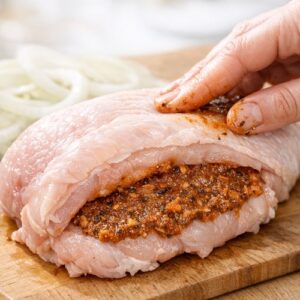
- Spread a small amount of your spice paste directly onto the bottom of the turkey breast—the side that will rest on the onions. This ensures the meat makes direct contact with the aromatic herbs and begins absorbing flavor from the start. Now place the turkey breast skin-side up (if it has skin) or presentation-side up into the slow cooker, directly onto the onion bed. If your turkey has intact skin, gently lift it and spread some of the remaining rub underneath, between the skin and the meat. This creates a flavorful buffer and helps the skin brown if you choose to crisp it later. Spread the remaining spice paste evenly across the top and sides of the turkey, pressing gently so it adheres to the dry surface. You want complete, even coverage with no bare spots, as this promotes consistent flavor and helps form a light crust.
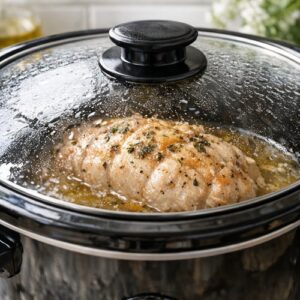
- Cover your slow cooker and cook on the low setting for 4 hours. This is not arbitrary timing—4 hours at low heat in a slow cooker (approximately 190°F) is precisely what's needed to break down the collagen in turkey breast without overcooking the delicate muscle fibers. Resist the urge to open the lid during cooking. Each time you lift it, you release steam and can add 15-20 minutes to your cooking time. Trust the process. Around the 3-hour mark, your kitchen will smell absolutely incredible as the aromatic spices infuse the moisture.
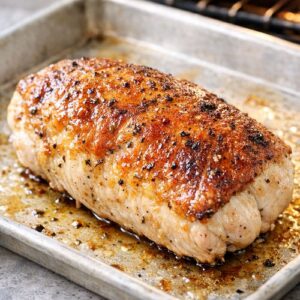
- If you want crispy, golden skin (and I highly recommend it for presentation), transfer the cooked turkey to a rimmed baking sheet skin-side up. Preheat your oven broiler and position the rack about 6 inches from the heating element. Broil the turkey for 5-10 minutes, watching carefully so the skin crisps without burning. The high, direct heat of the broiler causes the Maillard reaction—the browning of proteins and sugars—creating that desirable crispy exterior while the interior remains perfectly tender from the slow cooking.
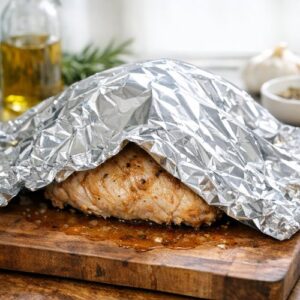
- This is the step most home cooks skip, and it's a huge mistake. Let your turkey rest, tented loosely with foil, for 20 minutes before slicing. During this resting period, the residual heat distributes evenly throughout the meat, and the muscle fibers relax, allowing them to reabsorb the juices they released during cooking. If you skip this rest and slice immediately, those precious juices run onto the cutting board instead of staying in your meat. This 20-minute rest is the difference between moist, succulent turkey and dry slices.
Notes
FAQs
Can I use a frozen turkey breast, or does it need to be thawed?
You must use a thawed turkey breast. Frozen turkey won’t season properly (the ice crystals prevent spice penetration), and it won’t cook evenly in the slow cooker. The frozen center will remain undercooked while edges overcook. Thaw your turkey in the refrigerator for 24 hours before cooking. If you’re short on time, place the sealed turkey in a bowl of cold water and change the water every 30 minutes—this thaws a 3-pound breast in about 2-3 hours. Never use hot water, which can promote bacterial growth.
What if my turkey breast is larger than 3 pounds? Should I increase cooking time?
Yes, cooking time scales with size. Use this formula: 4 hours for 3 pounds, plus 1 additional hour for each additional pound. So a 4-pound breast needs 5 hours, a 5-pound breast needs 6 hours. The reliable indicator is internal temperature—165°F at the thickest part means it’s fully cooked, regardless of the clock. Some slow cookers run hotter than others, so temperature trumps time always.
Should I add liquid to the slow cooker, or does the turkey provide enough moisture?
Don’t add any liquid. Turkey breast releases significant moisture during cooking, and the onion bed creates steam. Adding additional liquid dilutes your pan sauce and can result in a brothy rather than savory final product. The turkey’s natural moisture plus the onion-generated steam is precisely the amount needed. Trust the process.
Can I make this recipe in a regular oven instead of a slow cooker?
Yes, but the results differ. Preheat your oven to 325°F (lower than traditional roasting, which is typically 375-425°F). Place the onions and seasoned turkey in a Dutch oven, cover with a lid, and roast for approximately 2.5-3 hours depending on size, checking internal temperature after 2 hours. The covered method creates steam similar to the slow cooker. The finished product will be slightly less tender because the temperature ramp-up is faster than a slow cooker’s gentle heating, but it’s still excellent. Add ½ cup chicken or vegetable broth to the Dutch oven to prevent drying.
Is the turmeric necessary, or can I make this recipe without it?
It’s optional but I recommend including it. Turmeric adds a subtle earthiness and golden color, plus it provides curcumin, a compound with significant anti-inflammatory benefits (supporting joint health and immune function). If you dislike turmeric’s flavor or have allergies, simply omit it without affecting the recipe. You might add an extra ¼ teaspoon paprika for visual depth, but the recipe works beautifully without any turmeric at all.
More Recipes You’ll Love
- Slow Cooker Pot Roast Recipe – Similar low-and-slow technique for beef that creates melt-in-your-mouth tenderness without any guesswork
- Baked Center Cut Pork Chop Recipe – A weeknight protein option that uses many of the same herbs and comes together in under 30 minutes
- Asparagus Prosciutto Recipe – A complementary side dish featuring similar Italian herbs and elegant presentation perfect for pairing with your turkey
Final Thoughts
You know what I love most about this recipe? It takes something that intimidates home cooks—poultry that’s notoriously easy to dry out—and transforms it into something foolproof. Honestly, the slow cooker was designed for exactly this: tender, juicy results without constant attention or professional technique.
This is the recipe I recommend to patients with busy schedules, to people returning to the kitchen after years away, and to anyone who’s had a turkey disaster in their past. It’s proof that cooking doesn’t have to be complicated to be impressive. Your family will think you’ve been secretly attending culinary school.
The beauty of mastering this one technique is that it builds your confidence. Once you see how perfectly moist and tender this turkey turns out, you start believing in your own cooking abilities. That confidence transfers to every other dish you make. You stop second-guessing temperatures and timing, and you start trusting your instincts. That’s when cooking becomes joyful instead of stressful.
Take care with love and flavor!
META DESCRIPTION: Easy slow cooker boneless turkey breast recipe delivers juicy, tender poultry in 4 hours. Includes nutrition facts, make-ahead tips, and seasonal variations.