
Ingredients
Method
Step 1: Set Your Oven Temperature and Prep Your Pan
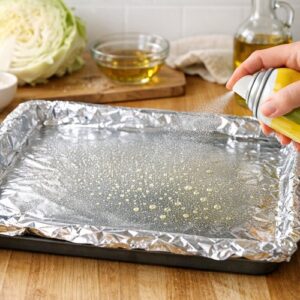
- Start by preheating your oven to 400°F. This temperature is the sweet spot—hot enough to create good browning and caramelization, but not so scorching that the outside burns before the inside becomes tender. Line a rimmed baking sheet with foil (makes cleanup effortless) and spray it generously with olive oil cooking spray. Don't be shy here. A light coating won't cut it; you want a visible sheen across the entire surface. This prevents sticking and helps those edges get properly crispy.
Step 2: Prepare Your Cabbage Wedges Correctly
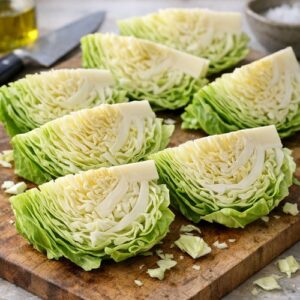
- Remove and discard the damaged outer leaves—usually one or two layers that show bruising or significant damage. Now comes the critical technique most recipes miss: cut your cabbage in half from top to root, then cut each half into thick wedges. Leave the core intact. This is non-negotiable. The core holds everything together during cooking. Without it, your beautiful wedges fall into separate leaves, and you lose that satisfying presentation and the concentrated texture of the center. Each wedge should be roughly 1.5 to 2 inches wide at the widest point. You'll get about 6-8 wedges from one large cabbage, which serves 4-6 people depending on appetites and what you're serving alongside.
Step 3: Rinse and Dry Thoroughly
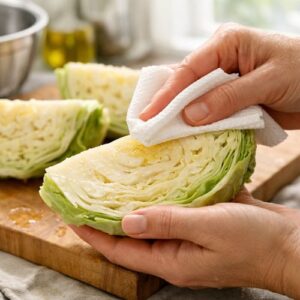
- Rinse your wedges under cool water to remove any dirt or loose outer leaves. Then comes the part that separates good results from great ones: dry them completely using paper towels. Pat each wedge on both flat sides and along the edges. Moisture is the enemy of browning and caramelization. If you skip this step, you'll steam your cabbage instead of roasting it. Think of it like making a grilled cheese—you need a dry surface to achieve that golden exterior.
Step 4: Arrange and Oil
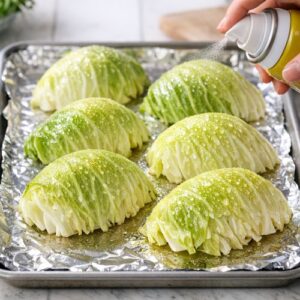
- Place your dried wedges on the prepared baking sheet in a single layer. They should sit flat, with the cut sides down on the foil. Once arranged, spray the top side (the rounded side of each wedge) generously with olive oil cooking spray. You're aiming for that visible sheen again—enough that the seasoning will stick and browning will happen, but not so much that you're creating a pool of oil.
Step 5: Season with Intention
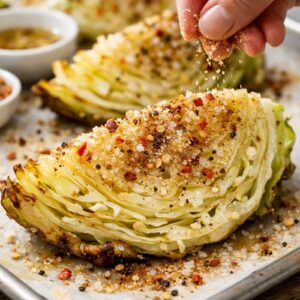
- Sprinkle the kosher salt, garlic powder, red pepper flakes, and smoked paprika evenly across all the wedges. The salt draws out moisture while allowing the exterior to crisp (this is called osmosis, and it's the same principle that makes salt-roasted potatoes so good). The garlic powder caramelizes in the heat rather than burning like fresh garlic would. The red pepper flakes add heat without bitterness. The smoked paprika ties everything together and creates complexity that makes people ask what spice you used.
Step 6: Roast Until Golden and Tender
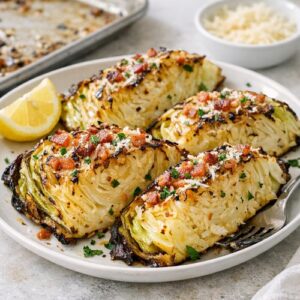
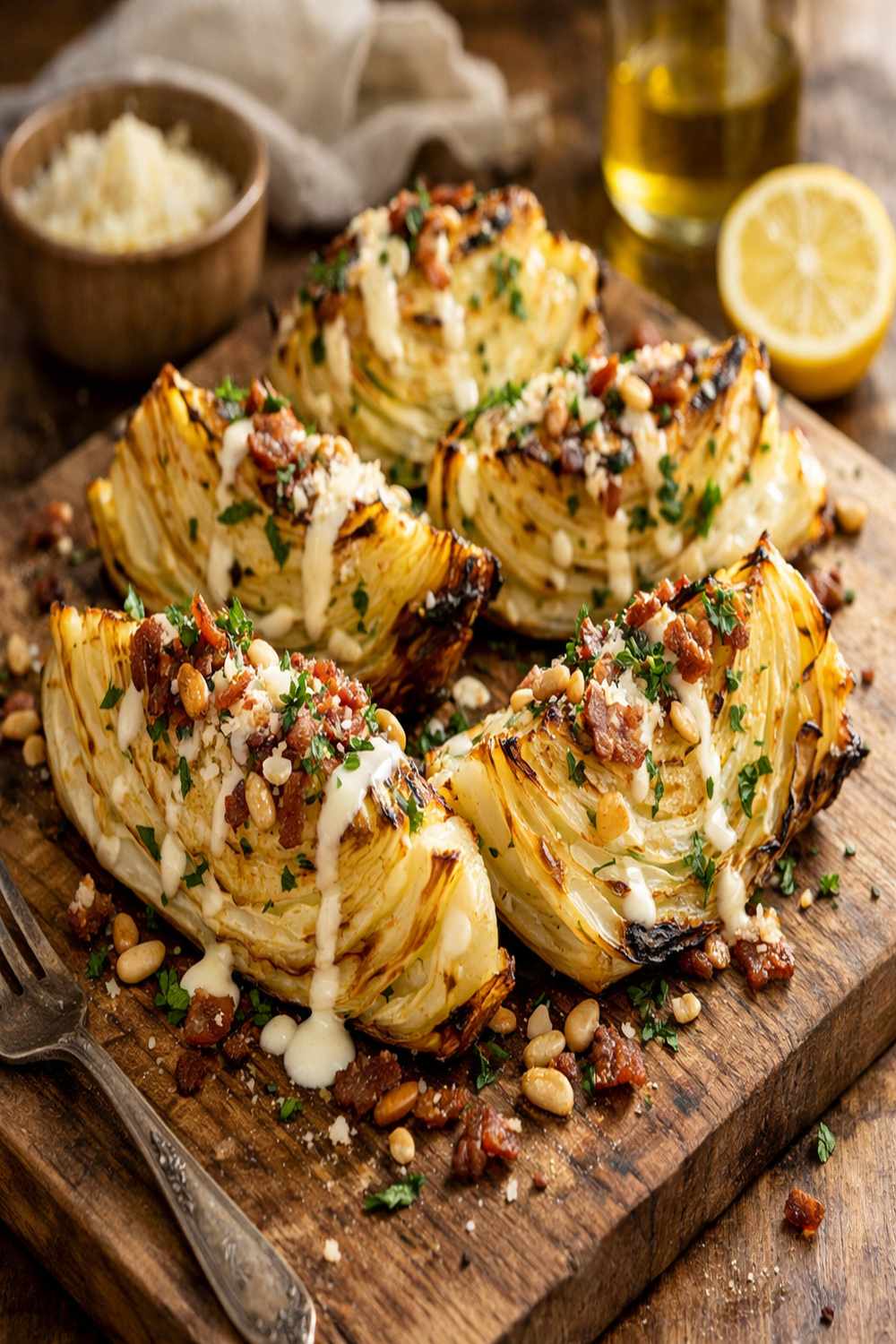
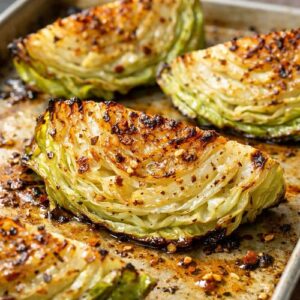
- Transfer your sheet to the preheated oven and roast for 25-30 minutes. About halfway through (around the 12-15 minute mark), I like to shake the pan or rotate it if my oven has hot spots, but it's not essential. You're looking for the flat sides to turn golden brown with some darker caramelized spots, and the edges to show a slight char. When you pierce the thickest part of a wedge with a fork, it should slide through with minimal resistance—tender but not mushy. The exact timing depends on your oven and the size of your wedges, so use visual cues as your guide. When they look golden and smell incredible, they're done. Don't wait for them to be fully soft; that's overcooked. You want a slight resistance with plenty of caramelized flavor.
Step 7: Serve Immediately
- Transfer the wedges to your serving plate right out of the oven. The residual heat helps them maintain texture. If you leave them on the hot pan too long, they'll continue cooking and softening. The contrast between the crispy exterior and tender interior is what makes this dish sing, so timing your service with your other components matters.