
Did you know that zucchini bread became wildly popular in the 1970s when home gardeners suddenly found themselves drowning in summer zucchini harvests? What started as a way to use up overgrown vegetables has evolved into one of America’s most beloved comfort foods. I grew up watching my grandmother transform plain zucchini into the most fragrant, golden loaves that filled our kitchen with warmth during late August afternoons. Those moments taught me that simple ingredients, when combined with intention, become edible memory-makers. Today, I’m sharing my almond flour version—a modern twist that keeps all that nostalgia while adding nutrition and keeping you out of the kitchen in under 30 minutes of active work time. This recipe uses wholesome, pantry-friendly staples you probably already have on hand.
The Science Behind Almond Flour Zucchini Bread Recipe
As a registered dietitian, I spend my days translating the “why” behind recipes into practical kitchen wisdom. What makes this almond flour zucchini bread so reliably delicious comes down to understanding fat distribution and moisture management. Traditional wheat-based zucchini breads rely on gluten to create structure, but almond flour works differently—it’s naturally fat-rich, which creates a tender crumb without that dense, heavy feeling. The shredded zucchini releases moisture as it bakes, and that’s exactly what we want: it keeps the interior moist while the almond flour’s natural oils ensure the bread doesn’t dry out. This is the beauty of grain-free baking when you understand the science behind it.
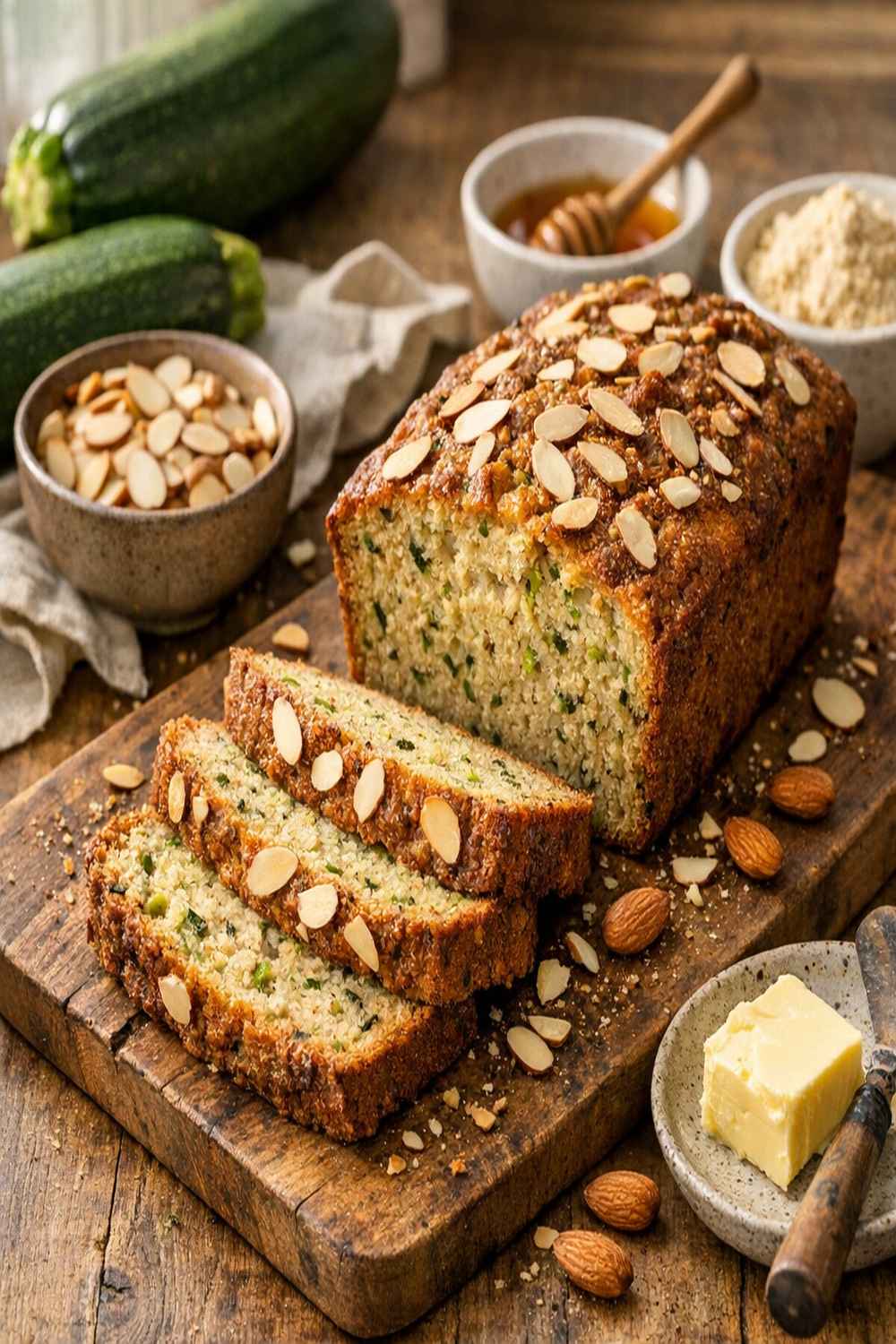
Understanding the Chemistry That Makes This Bread Work
Here’s what happens during baking: eggs provide structure through coagulation (the proteins tighten as heat increases), while the almond flour’s fat content keeps everything tender. When the oven temperature reaches 350°F, the Maillard reaction begins—that golden-brown color you see on the crust is actually hundreds of flavor compounds forming simultaneously. The shredded zucchini acts as a moisture reservoir, releasing water vapor that keeps the interior from becoming dry, while the baking powder creates carbon dioxide bubbles that give the bread its characteristic tender crumb. This combination creates a loaf that’s simultaneously moist and structured—something many grain-free bakers struggle to achieve.
Why This Recipe Is Nutritionally Superior
I chose these specific ingredients because they deliver measurable nutritional benefits beyond simple calories. Almond flour provides 3 grams of plant-based protein per ounce and is rich in vitamin E, an antioxidant that supports heart health. Zucchini contributes virtually zero net carbs (about 3g per cup) while providing lutein and zeaxanthin, compounds the American Optometric Association identifies as critical for eye health. Brown sugar offers molasses, which contains trace minerals like manganese and iron—unlike white sugar which has been stripped of these compounds. When you combine these foods intentionally, you’re not just making breakfast; you’re supporting your body’s nutritional needs.
- Almond flour protein – provides sustained energy and supports muscle maintenance (3g per ounce); the amino acid profile is complete, making it more bioavailable than many plant proteins
- Zucchini lutein content – approximately 2,250 mcg per cup; supports macular health and vision clarity, especially important for screen time
- Eggs choline – one egg provides 147 mg; critical for brain development and cognitive function across all ages
- Brown sugar minerals – contains potassium (about 181 mg per tablespoon), essential for heart rhythm and blood pressure regulation
Ingredient Deep Dive
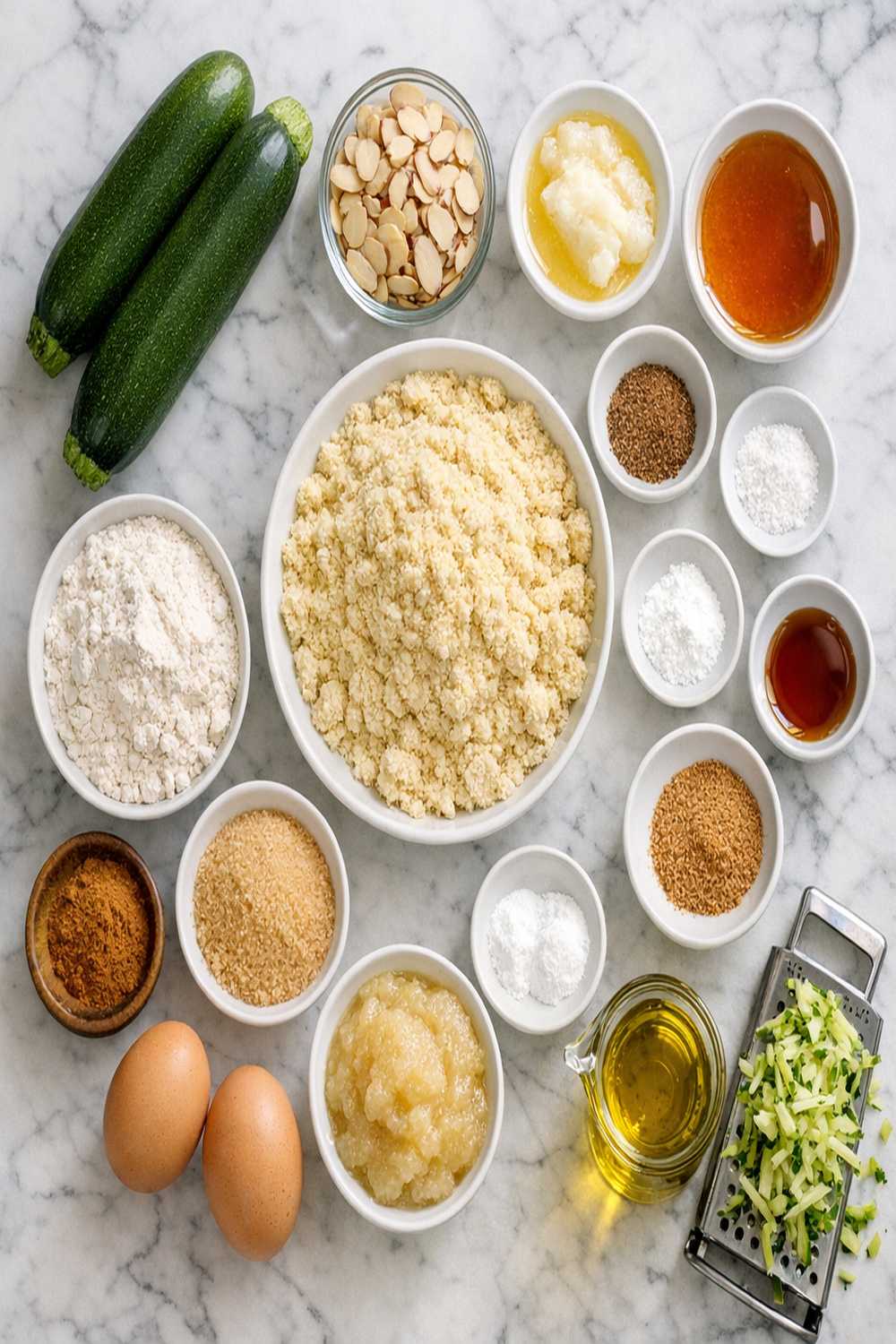
Each ingredient in this recipe serves a specific, non-negotiable purpose. I don’t include fillers or “nice-to-haves”—everything here does essential work. Understanding how each component contributes helps you make smart substitutions and troubleshoot if something doesn’t work as planned. Let me walk you through every single ingredient and the job it’s doing in your mixer.
- 1¼ cups blanched almond flour (finely ground almonds without skins; provides fat for moisture and tenderness, binds structure without gluten)
- 1 tablespoon lemon zest (fresh; adds brightness and complexity that complements almond flour’s rich, slightly earthy notes)
- ½ cup packed brown sugar (or coconut sugar; provides sweetness, moisture, and molasses flavor notes)
- ½ cup dark chocolate chips (optional but recommended; contains phenolic compounds that enhance pleasure and satisfaction)
- 3 large eggs (room temperature; coagulate to create structure and emulsify wet and dry components)
- ¼ teaspoon sea salt (enhances sweetness perception and balances flavors at the taste receptor level)
- 1½ cups firmly packed shredded zucchini (about 2 medium zucchini; releases moisture during baking to keep interior tender)
- 1½ teaspoons baking powder (aluminum-free preferred; creates carbon dioxide bubbles for light, airy crumb texture)
- ¼ cup neutral oil (avocado, grapeseed, or light olive oil; distributes throughout batter for even moisture and prevents drying)
- ¼ cup coconut flour (absorbs and holds moisture; adds subtle sweetness and structure density without heaviness)
- 1 teaspoon pure vanilla extract (not imitation; adds depth and masks any grain-forward flavors from almond flour)
The Technique: How to Make Almond Flour Zucchini Bread Recipe Properly
Professional baking is about precision, but I’ve designed this recipe to be forgiving for home cooks. The key is understanding temperature and timing—not as rigid rules, but as checkpoints that tell you what’s happening chemically in your oven. I’ve coached hundreds of overwhelmed home cooks, and I promise: if you follow these steps with intention, you’ll end up with a loaf you’re genuinely proud to serve.
Step 1: Prepare Your Workspace and Preheat
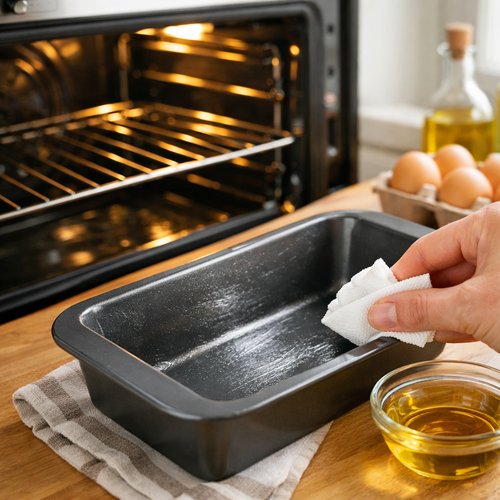
Set your oven to 350°F and position the rack in the middle third of your oven (where heat circulates most evenly). While the oven heats, lightly grease a standard 9-by-5-inch loaf pan with oil or butter, then line the bottom with parchment paper. The parchment prevents sticking and makes cleanup effortless—something I always tell busy parents. This prep work should take about 3 minutes. The reason I ask you to preheat first: almond flour batter needs to hit that 350°F heat immediately. If batter sits in a cold oven, the eggs begin setting unevenly and you’ll get a dense, compact crumb instead of light and tender.
Step 2: Combine All Dry Ingredients
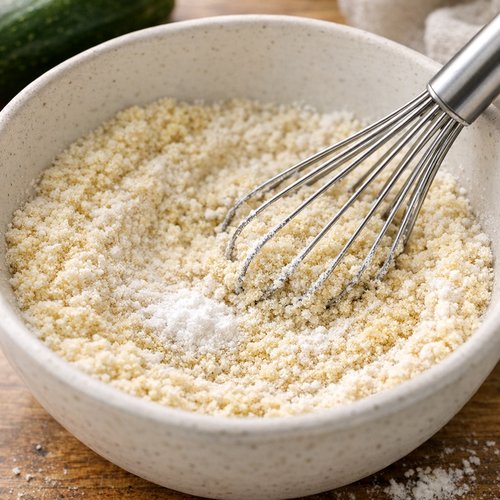
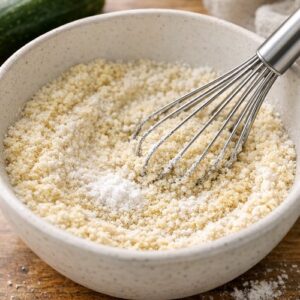
In a medium mixing bowl, whisk together the blanched almond flour, coconut flour, baking powder, and salt. Whisk for about 30 seconds—this incorporates air and distributes the baking powder evenly throughout the flour mixture. This step is critical because baking powder clumps easily, and uneven distribution means some parts of your bread will rise more than others, creating tunneling (those large, irregular holes). A simple whisk beats an electric mixer here because overmixing dry ingredients doesn’t matter; you’re just breaking up clumps and incorporating air. Set this bowl aside within arm’s reach of where you’ll work next.
Step 3: Whisk Wet Ingredients Until Emulsified
In a large mixing bowl, crack your 3 eggs and whisk them together for about 1 minute until the yolk and whites are completely combined and slightly frothy. This incorporates air and begins the emulsification process. Now add the brown sugar and whisk for another 1-2 minutes until the mixture becomes pale and noticeably thicker—this is crucial. You’re dissolving sugar crystals and creating a stable emulsion that will hold oil and water together (remember, eggs contain both water and fat, so they’re natural emulsifiers). Add the neutral oil in a slow, steady stream while whisking constantly. This slow incorporation prevents the batter from “breaking” (separating into greasy puddles). Finally, whisk in the vanilla extract and lemon zest. At this point, your wet ingredients should be thick, pale, and completely smooth—about 3 minutes of total whisking.

Step 4: Fold in Shredded Zucchini
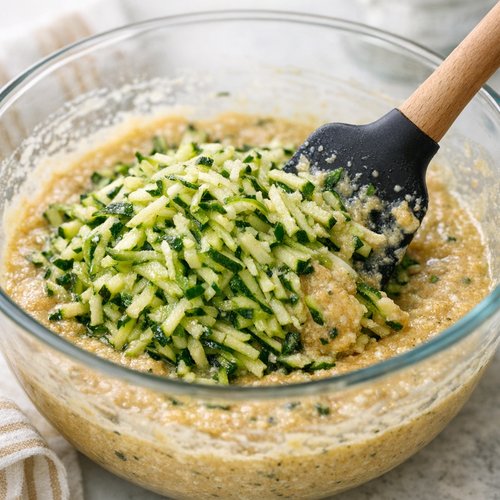
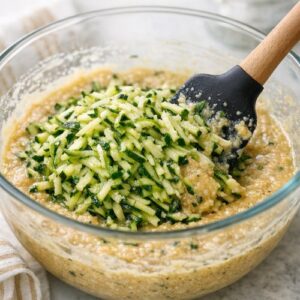
Add the shredded zucchini to your wet mixture and use a rubber spatula to gently fold it in with about 6-8 folds until evenly distributed. Don’t overstir—you’re not developing gluten (you don’t have any), but vigorous mixing can deflate the air bubbles you just incorporated. The zucchini will feel quite wet, and that’s exactly right. This should take about 30 seconds. At this point, your batter smells incredible—that’s the vanilla and lemon zest interacting with the almond flour’s natural sweetness.
Step 5: Combine Wet and Dry Ingredients
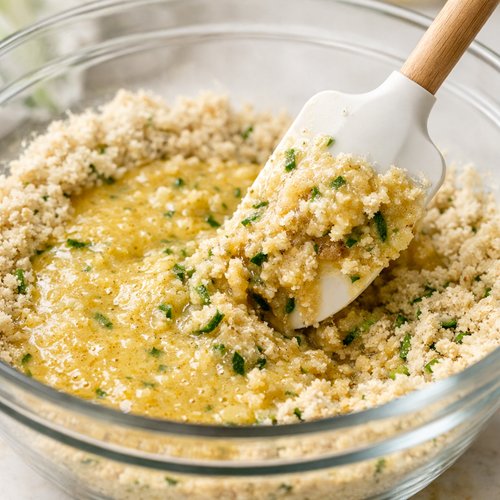
Pour the wet mixture over your dry ingredients and use your spatula to fold them together with gentle, deliberate motions. Fold from the bottom of the bowl up and over, rotating the bowl slightly with each fold. Continue for about 12-15 folds until the dry ingredients are completely incorporated and you don’t see any flour streaks. The batter will be thick—thicker than traditional wheat-based zucchini bread—but it should fall off the spatula when you lift it. This is the moment where patience matters: overmixing activates gluten in the almond flour’s trace proteins and can create a tough, dense loaf. You’re aiming for “just barely combined,” not smooth and fully incorporated.
Step 6: Fold in Chocolate Chips
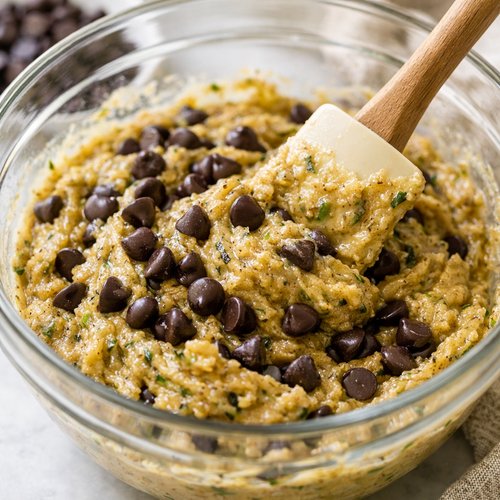
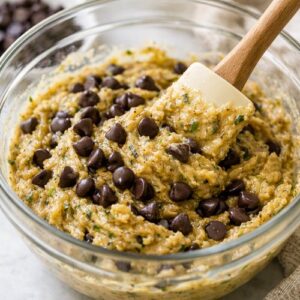
If using chocolate chips, gently fold them in with 2-3 final folds. The chips will settle slightly as the batter bakes, so don’t worry about perfect distribution. This takes about 10 seconds. If you’re skipping the chocolate, that’s fine—this bread is delicious on its own.
Step 7: Transfer to Pan and Bake
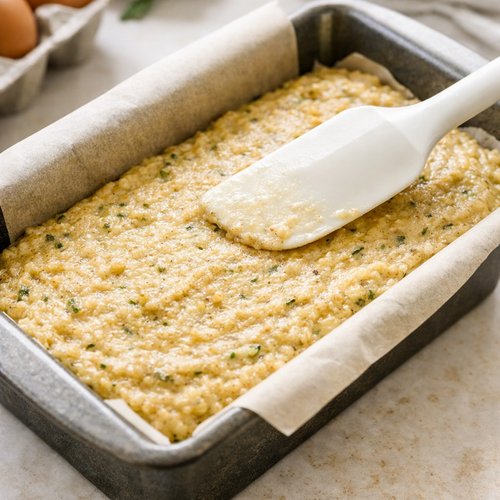
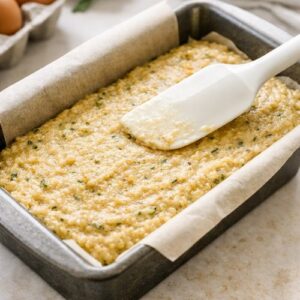
Pour the batter into your prepared loaf pan and use your spatula to gently smooth the top. You want the surface relatively level so the bread bakes evenly. Place the pan in your 350°F oven and set a timer for 45 minutes. At 45 minutes, insert a wooden skewer or toothpick into the center of the loaf. It should come out clean or with just a few moist crumbs clinging to it—not wet batter, but also not completely dry. If it feels too wet, return it to the oven for 3-5 more minutes and check again. Almond flour breads are moister than wheat breads, so don’t panic if it looks slightly underbaked compared to traditional zucchini bread. The carryover cooking (residual heat) will continue as it cools.
Step 8: Cool Completely Before Slicing
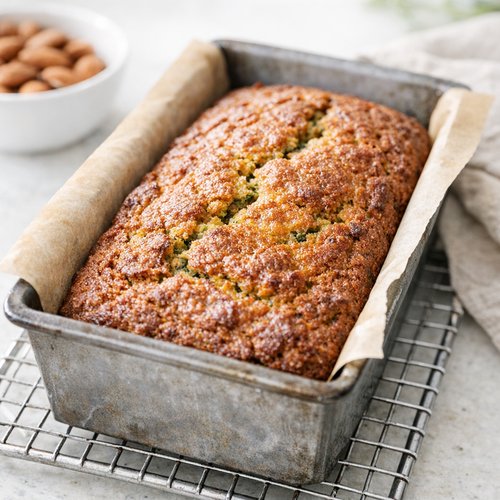
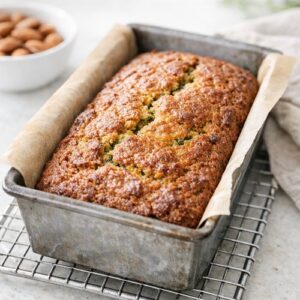
Remove the bread from the oven and let it cool in the pan for 10-15 minutes. This resting period allows the crumb to set completely. If you slice it while it’s still hot, the structure is delicate and you’ll get compressed, messy slices. After 15 minutes, turn the loaf out onto a wire cooling rack and let it cool completely—about 1 hour—before slicing. The wait feels eternal, I know, but this resting time is where the magic happens. As the bread cools to room temperature, the starches gelatinize and the texture firms up into that beautiful, slightly moist but tender crumb you’re after. Room-temperature bread also develops fuller flavor—the aromatic compounds are most prominent when the food is no longer piping hot.
Professional Tips From the Kitchen
- Squeeze your zucchini dry before measuring – place shredded zucchini in a clean kitchen towel and squeeze firmly over the sink. Excess moisture is the #1 reason almond flour zucchini bread turns out dense. Even though we want *some* moisture, too much prevents proper structure development. You should remove about 2-3 tablespoons of liquid per cup of zucchini.
- Room-temperature eggs are non-negotiable – cold eggs don’t emulsify properly, and you’ll end up with a separated, greasy batter. Take them out of the fridge 20 minutes before baking. This small step prevents more baking disasters than anything else I teach.
- Use aluminum-free baking powder – standard baking powder contains aluminum, which some people want to avoid. Aluminum-free varieties work identically but won’t leave any metallic aftertaste, especially noticeable in grain-free baking where almond flour already has a delicate, nutty flavor.
- Don’t skip the lemon zest – I added this to the original recipe because almond flour can taste slightly heavy or earthy to some palates. Lemon zest adds brightness without adding liquid, and it’s especially important if you’re using chocolate chips, where the acid balances the richness.
- Invest in a loaf pan thermometer – ovens vary wildly in actual temperature versus what the dial says. A $12 oven thermometer tells you exactly what temperature you’re really baking at. This single tool has probably prevented more failures than every other tip combined.
Ingredient Substitutions and Their Impact
- Blanched almond flour -> Almond meal (unblanched): Results in slightly denser, darker loaf with more rustic appearance; adds bitter, woodsy notes from skins but increases fiber by about 1g per serving. The loaf will be slightly less tender because unblanched has coarser particles.
- Brown sugar -> Coconut sugar: Creates loaf with lower glycemic index (35 vs 65); slightly deeper, caramel-like flavor; similar moisture retention but the crumb will be fractionally less tender. Use the same amount—coconut sugar performs nearly identically to brown sugar in grain-free baking.
- Neutral oil -> Grass-fed butter (melted and cooled): Increases richness and adds subtle dairy flavor; loaf will be slightly less moist because butter contains water whereas neutral oil is pure fat. The crumb becomes more cake-like and less bread-like. Moisture-sensitive bakers should stick with oil.
- Eggs -> Flax eggs (1 tablespoon ground flaxseed + 3 tablespoons water per egg, whisked and set 5 minutes): Creates vegan loaf but significantly denser, earthier crumb. Flax eggs don’t emulsify oil and water the way hen eggs do, so you’ll lose some tenderness. Not recommended for beginners.
- Dark chocolate chips -> Chopped dark chocolate or cacao nibs: Larger chunks create more distinct chocolate pockets; nibs are less sweet and add bitter complexity. Both work perfectly and keep the same nutritional profile.
Dietary Adaptations
Gluten-free: This recipe is naturally gluten-free as written. The almond flour, coconut flour, and eggs contain zero gluten. Even if you use standard baking powder (which is typically gluten-free but sometimes processed in shared facilities), this loaf is safe for celiac disease. Just verify your baking powder label says “gluten-free.”
Dairy-free: Already dairy-free. Confirm your chocolate chips are dairy-free if that matters for your household (most semi-sweet and dark chocolate chips are, but always check the label). This recipe contains zero milk, butter, or cream.
Vegan: Replace eggs with flax eggs (1 tablespoon ground flaxseed mixed with 3 tablespoons water per egg; let sit 5 minutes to thicken). The bread will be slightly denser but still delicious. The baking powder must be verified as vegan (it typically is, but some brands add non-vegan binders). All other ingredients are naturally vegan.
Low-carb/keto: This is already a lower-carb bread option (about 8-10g net carbs per slice compared to 35-40g in traditional zucchini bread). To reduce further: replace brown sugar with erythritol or monk fruit sweetener (use 1:1 ratio by volume, but reduce to ¾ cup because these sweeteners are sweeter). The texture will be slightly less moist because these sweeteners don’t retain water the way sugar does. Still delicious and worth the trade-off for keto followers.
Nut-free: Unfortunately, this recipe is difficult to adapt without nuts because almond flour is the primary structure-builder. You could replace it with sunflower seed flour (1:1 ratio), but the flavor will be noticeably different—earthier, less rich. The bread will also be slightly less moist. Sunflower seed adaptation works, but I recommend trying my traditional almond bread recipe if you need nut-free inspiration.
Can I Store Almond Flour Zucchini Bread Recipe?
Storage is where grain-free baking shines: because almond flour is fat-rich, this bread actually stays moist longer than wheat-based versions. Here’s how I recommend storing it for maximum freshness.
Room temperature (1-2 days): Keep the loaf uncovered on a cooling rack on your counter. After cooling completely, you can cover it loosely with a tea towel. This is perfect for eating within a day while the crumb is most tender and the flavor is brightest.
Refrigerator (5-7 days): Wrap the cooled loaf tightly in plastic wrap or transfer it to an airtight container. Refrigeration slows fat oxidation, which is why grain-free baked goods actually benefit from cold storage more than wheat-based ones. The bread will firm up slightly in the fridge—not a problem, just different texture. I recommend removing it from the fridge 15 minutes before eating so it returns to its natural tender texture.
Freezer (up to 3 months): Wrap the cooled loaf in plastic wrap, then wrap again in aluminum foil, then place in a freezer bag. This triple-wrapping prevents freezer burn and oxidation. To thaw, remove the foil (keep the plastic wrap) and let it sit on the counter for 2-3 hours at room temperature. Don’t thaw in the microwave—you’ll end up with a mealy texture.
Individual slices (freezer, up to 3 months): This is my hack for busy mornings. After cooling completely, slice the entire loaf, separate slices with parchment paper, wrap them in plastic wrap, and freeze in a freezer bag. Then pull individual slices as needed and thaw at room temperature for 20-30 minutes. Alternatively, pop a frozen slice in the toaster on medium setting for warm bread in minutes.
Nutrition Information
Per slice (makes 10 slices; includes chocolate chips): Calories: 215 | Protein: 6g | Fat: 16g (mostly monounsaturated from almonds) | Carbohydrates: 14g | Fiber: 2g | Net carbs: 12g | Sugar: 10g | Calcium: 85mg | Iron: 1.8mg
These numbers confirm what I tell clients regularly: this bread is a legitimate nutrition food, not a “treat” that you feel guilty eating. One slice provides 6 grams of protein—that’s 12% of an average person’s daily needs—along with substantial healthy fats that slow down sugar absorption and keep you satisfied for hours. The fiber content, though modest, is actually impressive for a grain-free baked good. Compared to two slices of standard wheat zucchini bread (which typically contains 460+ calories and 28g carbs), one slice of this recipe delivers far superior nutrition with half the caloric investment. That said, this is still a baked good sweetened with sugar, so portion control matters. My recommendation to clients: enjoy one slice paired with protein (Greek yogurt, eggs, cottage cheese) to further stabilize blood sugar and extend satiety.
What Can I Serve With Almond Flour Zucchini Bread Recipe?
The beauty of this bread is that it works equally well at breakfast, brunch, or as an afternoon snack. The key to pairing is understanding flavor and texture balance. Almond flour creates a rich, slightly dense crumb, so you want accompaniments that add brightness or contrast. Here’s where my food science background becomes practical: fat-rich foods pair beautifully with acidic components (that’s why we put lemon zest in the bread), so naturally acidic options elevate the eating experience. Protein pairings matter too—they extend satiety and prevent that blood sugar spike.
- Greek yogurt with fresh berries – the tartness of both yogurt and berries cuts through the bread’s richness; the protein in yogurt extends satiety; the anthocyanins in berries add antioxidant power that complements the chocolate if you used chips
- Cottage cheese and honey – a traditional pairing that works beautifully here; the mild tang of cottage cheese provides contrast while the honey adds subtle floral notes that enhance the vanilla
- Almond butter and fresh sliced apple – this is indulgent but delicious; the crisp texture of apple provides contrast to the soft bread; the apple’s natural pectin and fiber slow digestion even further
- Cream cheese and a small drizzle of honey – the tanginess of cream cheese is perfect; a thin layer (½ teaspoon per slice) prevents the flavor from becoming too rich. This is dessert-adjacent, so save it for occasional treats rather than daily breakfast
- Simply on its own with coffee or tea – never underestimate the power of simplicity; the bread’s complexity (vanilla, lemon, almonds, chocolate if included) is actually substantial enough to stand on its own. The warmth of a hot beverage brings out the vanilla and chocolate notes
If you’re looking for more balanced meal inspiration, try pairing this bread with my bacon and eggs breakfast for a complete protein-and-fat-rich meal that will absolutely satisfy you through lunch. Or pair it with baked pear for a warm, elegant dessert that feels indulgent but remains nutritionally grounded.

Almond Flour Zucchini Bread Recipe
Ingredients
Method
- Set your oven to 350°F and position the rack in the middle third of your oven (where heat circulates most evenly). While the oven heats, lightly grease a standard 9-by-5-inch loaf pan with oil or butter, then line the bottom with parchment paper. The parchment prevents sticking and makes cleanup effortless—something I always tell busy parents. This prep work should take about 3 minutes. The reason I ask you to preheat first: almond flour batter needs to hit that 350°F heat immediately. If batter sits in a cold oven, the eggs begin setting unevenly and you’ll get a dense, compact crumb instead of light and tender.

- In a medium mixing bowl, whisk together the blanched almond flour, coconut flour, baking powder, and salt. Whisk for about 30 seconds—this incorporates air and distributes the baking powder evenly throughout the flour mixture. This step is critical because baking powder clumps easily, and uneven distribution means some parts of your bread will rise more than others, creating tunneling (those large, irregular holes). A simple whisk beats an electric mixer here because overmixing dry ingredients doesn’t matter; you’re just breaking up clumps and incorporating air. Set this bowl aside within arm’s reach of where you’ll work next.
- In a large mixing bowl, crack your 3 eggs and whisk them together for about 1 minute until the yolk and whites are completely combined and slightly frothy. This incorporates air and begins the emulsification process. Now add the brown sugar and whisk for another 1-2 minutes until the mixture becomes pale and noticeably thicker—this is crucial. You’re dissolving sugar crystals and creating a stable emulsion that will hold oil and water together (remember, eggs contain both water and fat, so they’re natural emulsifiers). Add the neutral oil in a slow, steady stream while whisking constantly. This slow incorporation prevents the batter from “breaking” (separating into greasy puddles). Finally, whisk in the vanilla extract and lemon zest. At this point, your wet ingredients should be thick, pale, and completely smooth—about 3 minutes of total whisking.

- Add the shredded zucchini to your wet mixture and use a rubber spatula to gently fold it in with about 6-8 folds until evenly distributed. Don’t overstir—you’re not developing gluten (you don’t have any), but vigorous mixing can deflate the air bubbles you just incorporated. The zucchini will feel quite wet, and that’s exactly right. This should take about 30 seconds. At this point, your batter smells incredible—that’s the vanilla and lemon zest interacting with the almond flour’s natural sweetness.
- Pour the wet mixture over your dry ingredients and use your spatula to fold them together with gentle, deliberate motions. Fold from the bottom of the bowl up and over, rotating the bowl slightly with each fold. Continue for about 12-15 folds until the dry ingredients are completely incorporated and you don’t see any flour streaks. The batter will be thick—thicker than traditional wheat-based zucchini bread—but it should fall off the spatula when you lift it. This is the moment where patience matters: overmixing activates gluten in the almond flour’s trace proteins and can create a tough, dense loaf. You’re aiming for “just barely combined,” not smooth and fully incorporated.

- If using chocolate chips, gently fold them in with 2-3 final folds. The chips will settle slightly as the batter bakes, so don’t worry about perfect distribution. This takes about 10 seconds. If you’re skipping the chocolate, that’s fine—this bread is delicious on its own.
- Pour the batter into your prepared loaf pan and use your spatula to gently smooth the top. You want the surface relatively level so the bread bakes evenly. Place the pan in your 350°F oven and set a timer for 45 minutes. At 45 minutes, insert a wooden skewer or toothpick into the center of the loaf. It should come out clean or with just a few moist crumbs clinging to it—not wet batter, but also not completely dry. If it feels too wet, return it to the oven for 3-5 more minutes and check again. Almond flour breads are moister than wheat breads, so don’t panic if it looks slightly underbaked compared to traditional zucchini bread. The carryover cooking (residual heat) will continue as it cools.
- Remove the bread from the oven and let it cool in the pan for 10-15 minutes. This resting period allows the crumb to set completely. If you slice it while it’s still hot, the structure is delicate and you’ll get compressed, messy slices. After 15 minutes, turn the loaf out onto a wire cooling rack and let it cool completely—about 1 hour—before slicing. The wait feels eternal, I know, but this resting time is where the magic happens. As the bread cools to room temperature, the starches gelatinize and the texture firms up into that beautiful, slightly moist but tender crumb you’re after. Room-temperature bread also develops fuller flavor—the aromatic compounds are most prominent when the food is no longer piping hot.
Notes
FAQs
Why is my almond flour zucchini bread dense and gummy inside?
Density is almost always caused by too much moisture in your batter. Here’s what I recommend: First, were you generous when squeezing your zucchini? This is step one—really wring it out over the sink with a clean kitchen towel. Second, did your eggs come to room temperature before mixing? Cold eggs won’t emulsify properly, leaving you with a separated, greasy batter that bakes strangely. Third, did you overmix after combining wet and dry ingredients? Grain-free batters are sensitive—more than 20 folds and you’ve deflated your air bubbles and created a heavy crumb. Finally, check your oven temperature with a thermometer. If you’re actually baking at 325°F instead of 350°F, the batter takes longer to set and moisture stays trapped inside.
Why did my loaf crack on top?
That dramatic crack is actually a good sign—it means your bread rose properly and the exterior set before the interior finished expanding. It’s purely cosmetic and very common in almond flour breads. If it bothers you aesthetically, lower your oven temperature by 10°F (bake at 340°F instead of 350°F) and increase baking time by 5-7 minutes. This slower, gentler bake allows the interior to rise more gradually before the crust sets.
Can I use whole wheat flour instead of almond flour?
Technically yes, but you’re making a completely different recipe at that point. Whole wheat contains gluten, which creates a denser, chewier texture fundamentally different from what you get with almond flour. You’d also need to adjust liquid ratios because whole wheat absorbs more water than almond flour does. If you want grain-based zucchini bread, I’d recommend looking for a traditional recipe designed with wheat flour rather than trying to force this almond-based formula to work with grains.
Is this bread safe for people with tree nut allergies?
No. Almonds are tree nuts, and this recipe is built entirely on almond flour. If you have a tree nut allergy, please avoid this recipe. I mentioned earlier that sunflower seed flour can substitute, but that’s a different loaf entirely and I’d recommend researching that option separately rather than trying to adapt this one.
My loaf turned out dry. How do I prevent this next time?
Dryness in grain-free breads is the opposite problem from density, and it usually means one of two things: First, you may have baked it too long. Almond flour breads continue to dry out as they cool, so that skewer check at 45 minutes is crucial. If it comes out completely clean with zero moisture, you’ve overbaked. Check at 40 minutes next time. Second, you might be using too much coconut flour. Coconut flour is incredibly absorbent, and using more than ¼ cup can pull all moisture from the loaf. Stick to exact measurements for your first attempt, then adjust by small amounts (an extra tablespoon) if you want to experiment.
Expert’s Nutritional Tip From My Clinical Practice
After working with hundreds of clients, I’ve noticed that people often overcomplicate “healthy eating” and end up restricting foods they love. This bread perfectly demonstrates my philosophy: a slice of this almond flour zucchini bread (215 calories, 6g protein) paired with a Greek yogurt is a legitimately balanced snack that keeps you satisfied for 3-4 hours, prevents afternoon energy crashes, and tastes genuinely delicious. Compare that to a standard muffin (350+ calories, 4g protein) that leaves you hungry an hour later. The magic isn’t in deprivation—it’s in choosing recipes engineered for satiety and nutrition from the start. This is how real people maintain energy and health long-term: by baking foods they actually want to eat.
Make-Ahead Guide
Because I work with busy families, I’ve designed this recipe for maximum make-ahead flexibility. Here’s my professional meal-prep strategy for this bread:
Dry Ingredient Mix (up to 2 weeks ahead): Combine almond flour, coconut flour, baking powder, and salt in an airtight container. Label with the date. When you’re ready to bake, you’ve eliminated three steps and reduced active time to about 15 minutes. This is game-changing for mornings when you want fresh bread but don’t have time.
Shredded Zucchini (up to 24 hours ahead): Shred your zucchini, squeeze it dry thoroughly, and store in a sealed container in the refrigerator. When it comes time to bake, you skip the prep step that many people find tedious. Just combine it with your wet ingredients and you’re ready to go.
Complete Batter (up to 4 hours ahead, not recommended): I don’t love this option because the zucchini continues releasing moisture and the batter becomes wetter over time, which can affect the final crumb. If you absolutely must prepare batter ahead, whisk wet ingredients and dry ingredients separately, then combine them within 1 hour of baking.
Baked Loaves (freeze as directed above): The real time-saver is baking an extra loaf on the weekend and freezing it for weekday mornings. On Sunday afternoon, make two loaves—one to eat fresh, one to freeze. You’ve just created seven breakfasts that require nothing more than thawing and toasting. This is the strategy that actually works long-term because it removes decisions and friction from your routine.
Common Mistakes to Avoid
Mistake #1: Using unblanched almond flour without expecting texture changes. Unblanched almond flour (with the brown skins still on) creates a slightly coarser, less tender crumb and adds noticeable bitter notes. If you accidentally grab unblanched, don’t panic—the loaf will still be delicious, just different. For your next attempt, specify “blanched almond flour” when ordering online or buying from bulk bins.
Mistake #2: Opening the oven door before 40 minutes. I see this constantly with home bakers. Opening the door causes temperature fluctuations that deflate rising air bubbles. The loaf looks fine but the interior crumb is less tender. Resist the urge to peek. Set a timer and check at exactly 40 minutes, then every 2 minutes after that if needed.
Mistake #3: Not cooling the loaf completely before slicing. Grain-free breads are delicate while hot. The crumb hasn’t fully set, so slicing while warm creates compressed, messy pieces. I know the aroma is irresistible, but one hour of patience gives you beautiful, clean slices. This is non-negotiable for presentation.
Mistake #4: Using old baking powder. Baking powder loses potency over time—after about 6 months, it doesn’t create enough rise. If your bread comes out dense and short, your baking powder might be expired. Write the date on new baking powder with a permanent marker and replace it every 6-8 months. This single fix solves more baking failures than you’d expect.
Seasonal Variations
Summer: This is zucchini season, so your vegetables are at peak freshness and flavor. Stick to the basic recipe as written. Consider adding a touch more lemon zest (up to 2 teaspoons) to highlight the summer brightness.
Fall: Replace half the brown sugar with pure pumpkin puree (¼ cup brown sugar + ¼ cup pumpkin puree). Add ½ teaspoon cinnamon, ¼ teaspoon nutmeg, and a pinch of cloves. You’re creating a hybrid pumpkin-zucchini loaf that’s absolutely spectacular. The spices warm up the fall kitchen beautifully.
Winter: